Evri and Yodel Score Lowest for Parcel Complaint Handling for Fourth Year
Delivery satisfaction fell as more recipients reported problems. If a shop arranged delivery, contact the retailer first when an order goes missing.
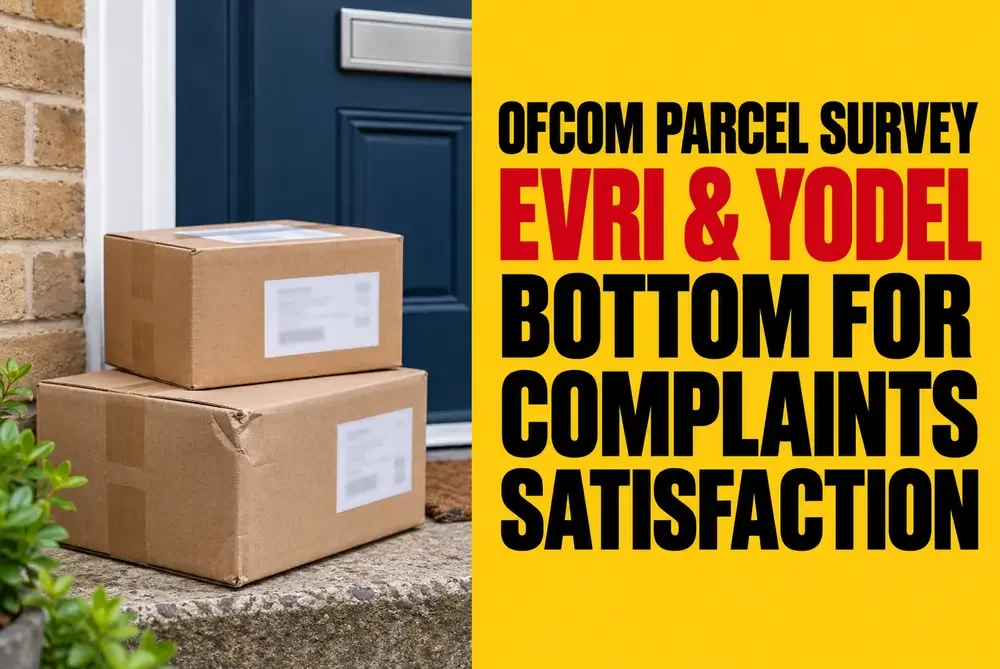
When an online order goes wrong, getting a useful response can matter as much as tracking the parcel. Ofcom’s latest research found Evri and Yodel at the bottom of its parcel delivery contact satisfaction rankings for the fourth year in a row. The results concern how recipients said companies handled delivery problems, not how many parcels arrived successfully.
Published on 27 October 2026, the findings show overall delivery satisfaction fell from 78% to 75%. The share of recipients who said they had encountered at least one delivery issue in the previous six months rose from 68% to 71%. That figure describes people who experienced a problem; it doesn’t mean that seven in ten parcels failed.
The survey’s contact measure combines three parts of the experience: how easy it was to get in touch, how staff handled the enquiry and whether the issue was resolved. Amazon and FedEx had the highest scores among the nine firms included, while Evri and Yodel had the lowest. Yodel was acquired by InPost in 2025 and now operates under that brand, though the report uses the Yodel name. These scores reflect reported experiences and can’t predict what will happen with any particular delivery.
Problems included delays, parcels left in unsuitable places and drivers giving people too little time to answer the door. Recipients with disabilities or limiting conditions were more likely to report difficulties: 76%, compared with 68% of people without such conditions. A delivery setup that assumes everyone can reach the door straight away can leave some customers struggling to receive an order.
Start with the retailer when a shop order goes missing
If a business arranged delivery, the retailer is generally responsible for getting your purchase to you safely. You can contact the courier for tracking details, but you shouldn’t have to settle a dispute between the shop and its delivery company yourself. This is especially useful to remember when a retailer and courier each direct you to the other.
Give the retailer your order number and expected delivery date. Explain what has or hasn’t arrived and ask it to investigate. If tracking says “delivered,” state that you haven’t received the goods; a tracking entry on its own doesn’t explain where the parcel went or whether the drop-off was agreed.
A concise message might read: “My order is marked as delivered, but I haven’t received it. I didn’t authorise delivery to the location shown in the photograph. Please investigate with your courier and arrange delivery of my order.” Adjust this to match what happened, and keep your order confirmation, tracking details and any delivery photograph.
The position may differ if you independently hired a courier that the retailer didn’t offer. Section 29 of the Consumer Rights Act says risk can pass to you when the retailer hands the goods to that courier. Choosing a delivery option offered at the retailer’s checkout isn’t the same as arranging a separate courier yourself.
Check whether you agreed to the delivery location
If a parcel is missing after being left in a porch or with a neighbour, check the instructions attached to the order or your delivery account. An agreed safe place can affect the seller’s responsibility, and an old preference may still be saved even if you no longer want it used.
If the driver left the parcel somewhere you hadn’t approved, tell the retailer and ask it to resolve the missing delivery. A photograph of a parcel outside a door doesn’t establish whether that spot was authorised. Be clear about where it was left, what instructions you gave and whether the parcel was there when you checked.
For a late order, focus on the delivery date agreed
Delivery is normally required within 30 days unless you and the retailer agreed another period. If a deadline was essential and the retailer misses it, you may be able to end the contract. The same can apply if the retailer refuses to deliver. In other situations, you’ll generally need to give it an appropriate extra deadline and may be able to end the contract if that deadline passes without delivery.
If timing is essential, tell the retailer before you buy and keep its agreement. An estimated arrival window for a birthday present is less certain than a delivery date the retailer has agreed is essential. The circumstances and your agreement matter, so a one-day delay doesn’t automatically give everyone an immediate right to cancel for non-delivery.
Report damage and keep evidence
For damaged goods, photograph the item and packaging, then contact the retailer promptly with your order details. Depending on the circumstances and timing, your rights may include a refund, repair or replacement. Explain whether the item itself is damaged or only its outer packaging, and ask the retailer how it wants any return handled.
If you sent the parcel yourself, your claim may instead be against the delivery service you booked. Keep the booking details, proof of posting and evidence of the contents and their value. A delivery aim may not be a guaranteed deadline, so check what service you purchased.
Ask for a clear next step
Keep your complaint focused on the outcome you need: an investigation, redelivery or a refund where you’re entitled to one. Save copies of messages and note the response. Ofcom monitors postal services and provides complaints guidance, but it doesn’t settle individual disputes. If the retailer or courier doesn’t put things right, use its formal complaints process and seek consumer advice about what to do next.
Ofcom said it was considering stronger protections and expected to provide another update in December 2026. That update doesn’t create an automatic compensation payment for a late parcel. For an order that has already gone wrong, start with the terms you agreed and the retailer responsible for delivering it.
Ofcom’s findings, published on 27 October
Retailer responsibility for getting goods safely to customers
Section 29 of the Consumer Rights Act
Citizens Advice on undelivered purchases and agreed delivery places
Delivery timing under section 28
Citizens Advice on faulty or damaged goods
Royal Mail parcel prices guide
Ofcom complaints guidance for postal services
Common questions
Who should I contact if my online order hasn’t arrived?
Contact the retailer if it arranged delivery. It should investigate with the courier. You can also ask the courier for tracking information, but that doesn’t transfer the retailer’s responsibility.
Can I get a refund if a parcel left outside has disappeared?
It depends in part on whether you agreed to that location. Tell the retailer if the parcel was left somewhere you hadn’t authorised, and explain that you haven’t received it.
Does Ofcom resolve individual parcel complaints?
No. Ofcom monitors postal services but doesn’t resolve individual disputes. Start with the retailer or delivery company responsible and use its complaints process.