18 Wedding Traditions Couples Can Make Their Own in 2027
From the garter toss to matching decor, couples can keep the wedding moments they love and skip the ones that feel like an obligation.
A wedding can feel more personal when the couple gets to choose which traditions belong in it. In 2027, that might mean keeping a meaningful family dance while skipping the bouquet toss, or serving cake without turning the cutting into a reception-wide event. There’s no single list couples need to complete.
Family preferences, familiar customs and ideas picked up from other weddings can quickly shape the day. That doesn’t mean every tradition has to go. The useful question is whether a moment feels right to the people getting married and works for the celebration they want to host.
These suggestions are offered with affection, including for the traditions the writer embraced at her own 2019 wedding. If you love one of them, keep it. If you’ve been looking for a graceful reason to leave it out, that’s a choice, too.
Reception customs that can put guests on the spot
1. The garter toss
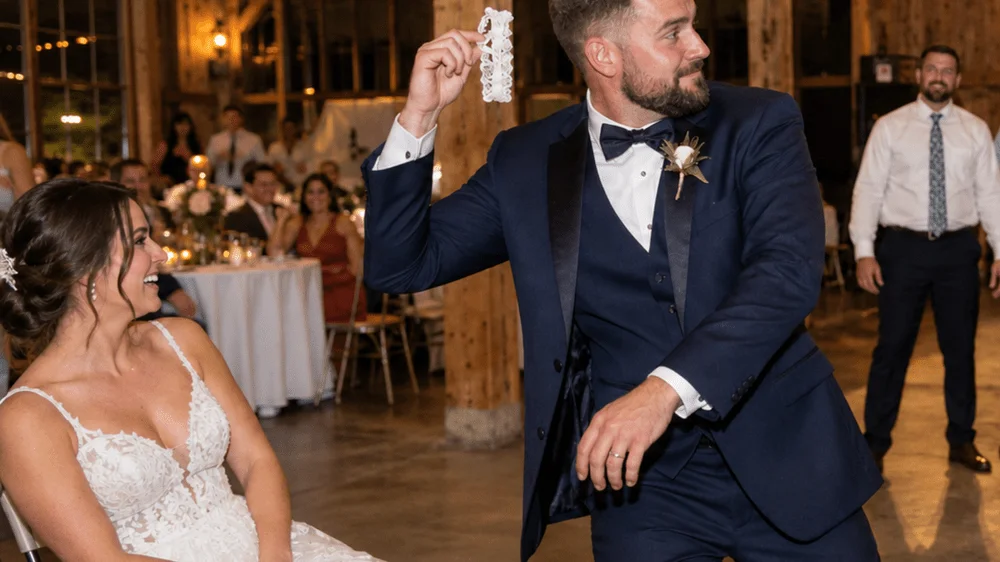
A groom reaching beneath the bride’s dress in front of a room full of relatives can make for an awkward pause. Then the unmarried men are called up to catch the garter, whether they’re keen to join in or not.
Some couples enjoy the joke and the spectacle. If that’s you, there’s no need to give it up. But it can also be a custom people repeat because they’ve seen it at other receptions. A party doesn’t lose anything by skipping a moment that doesn’t suit the couple.
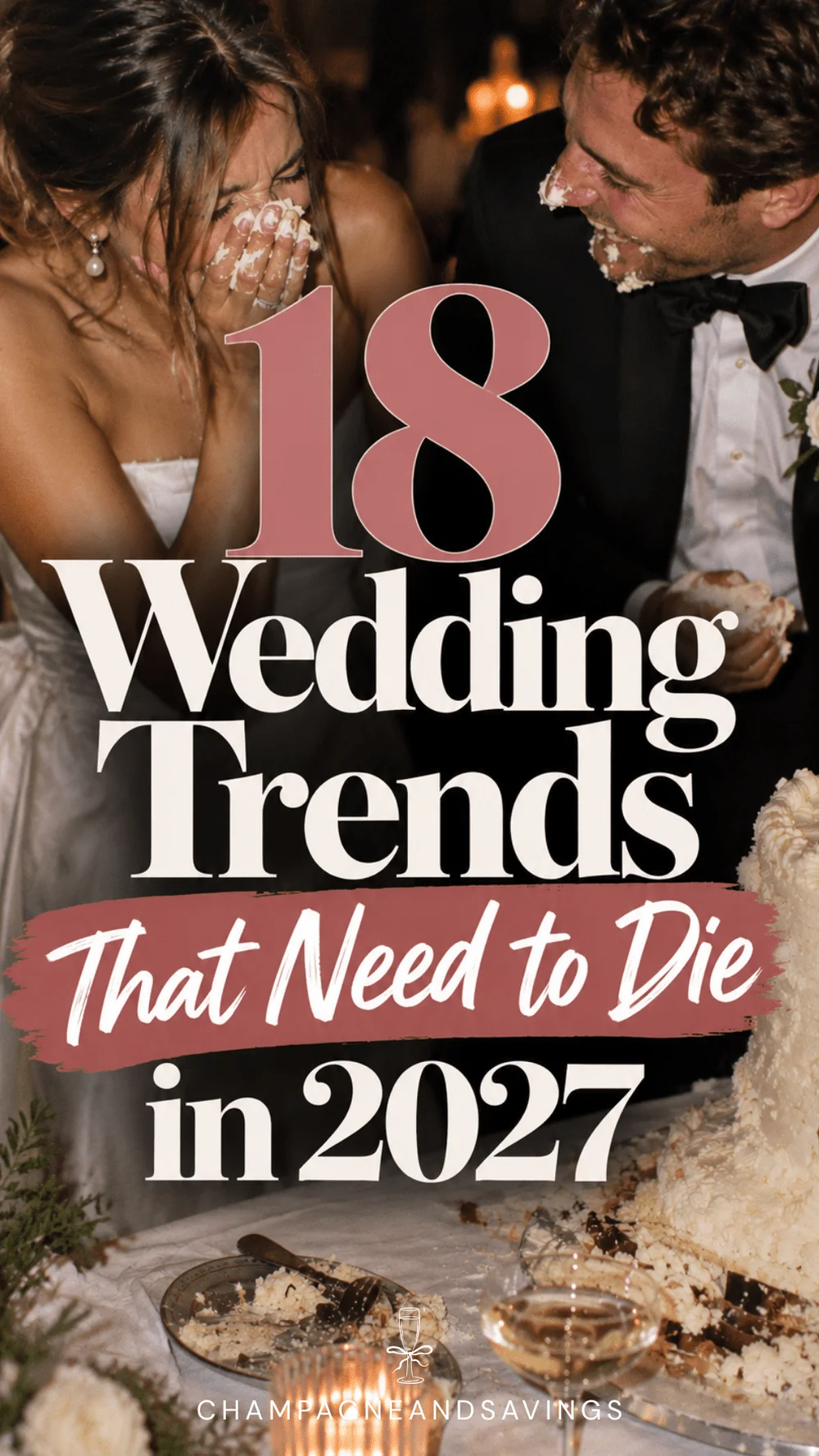
2. Smashing cake into each other’s faces
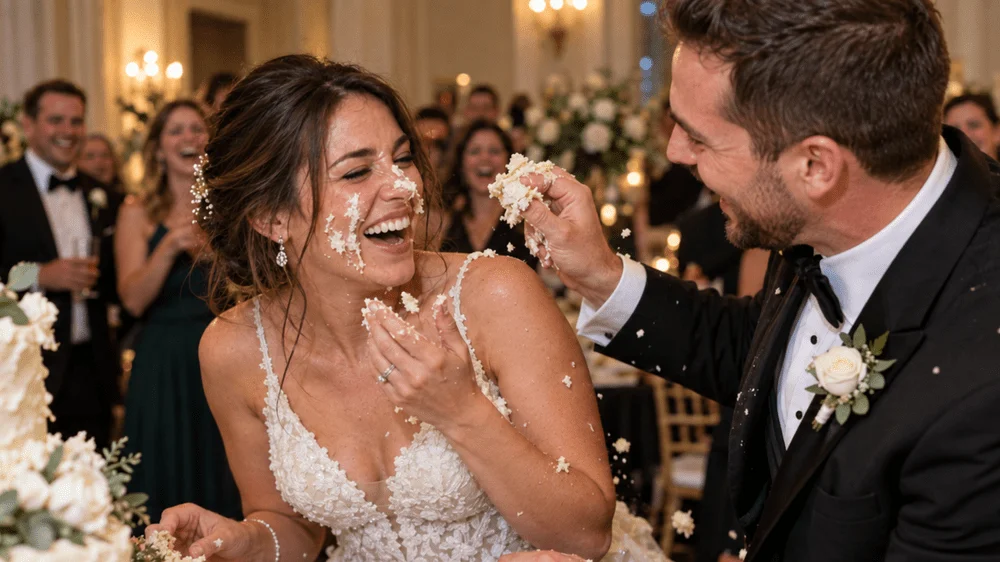
There’s a big difference between sharing a playful cake moment and surprising someone with buttercream in the face. After time spent getting ready and choosing what to wear, a face full of cake may be unwelcome, especially if one partner has already said no.
If both people are excited about the mess, that’s their call. Otherwise, a simple cake cutting can make a lovely photo without turning into a food fight. The important part is knowing that everyone involved is comfortable with the joke.
3. The bouquet toss
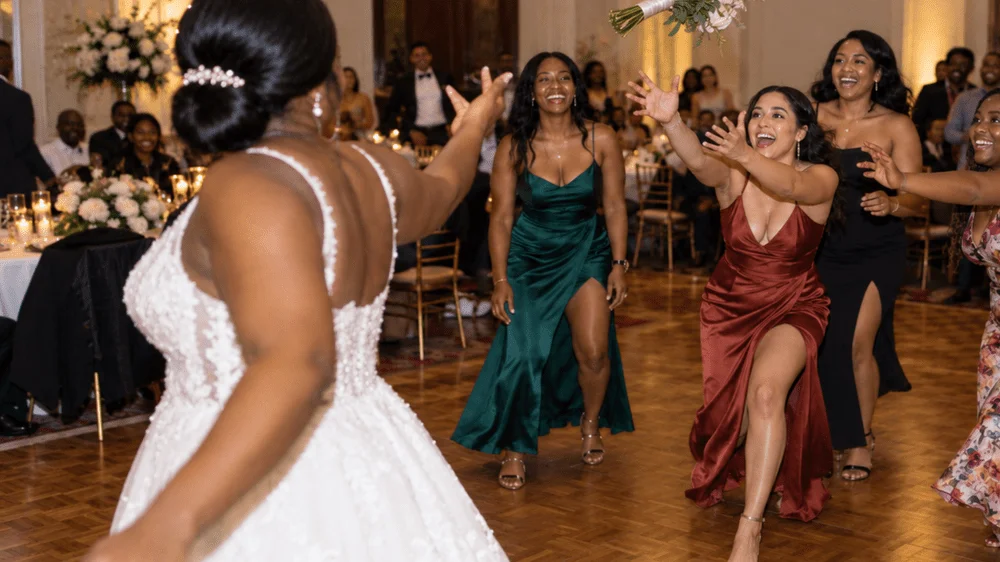
The DJ invites all the single women onto the dance floor, the bride throws her flowers, and the room watches to see who catches them. It’s intended as a lighthearted tradition, but it can put guests’ relationship status on display when they’d rather keep dancing or enjoy their drinks.
There’s no requirement to include it in the reception. Couples who like the ritual can keep it; those who don’t can leave the flowers out of the program entirely.
4. Choreographed wedding party entrances
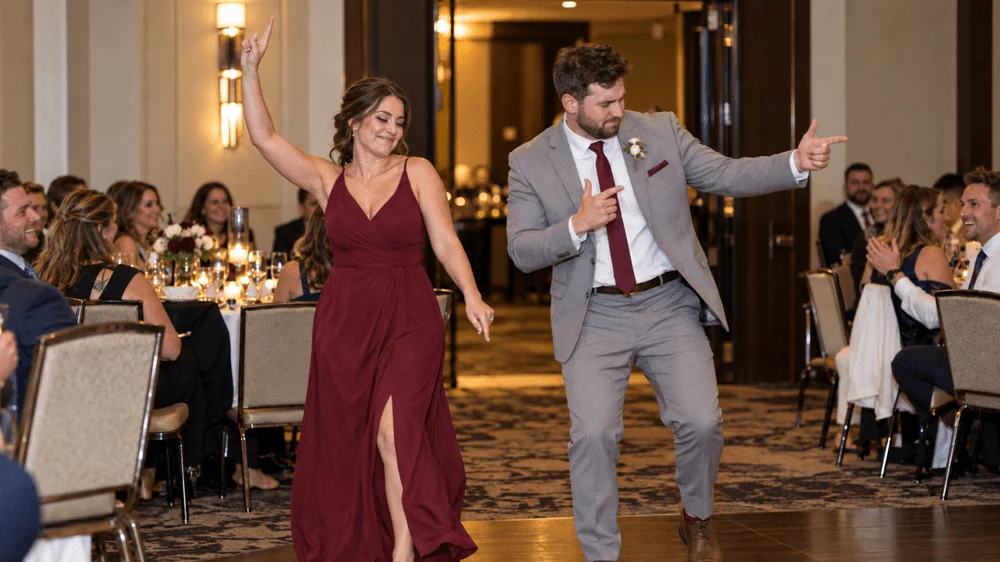
A funny dance for every bridesmaid and groomsman can take time to plan and put people on the spot. The DJ announces each pair, guests wait for the newlyweds, and the wedding party is expected to provide an entertaining routine on the way in.
A lively entrance can still be fun without assigning everyone a dance move. If the couple wants a big moment, they can choose one that feels natural. A straightforward walk into the room may be all the introduction the group needs.
5. The receiving line
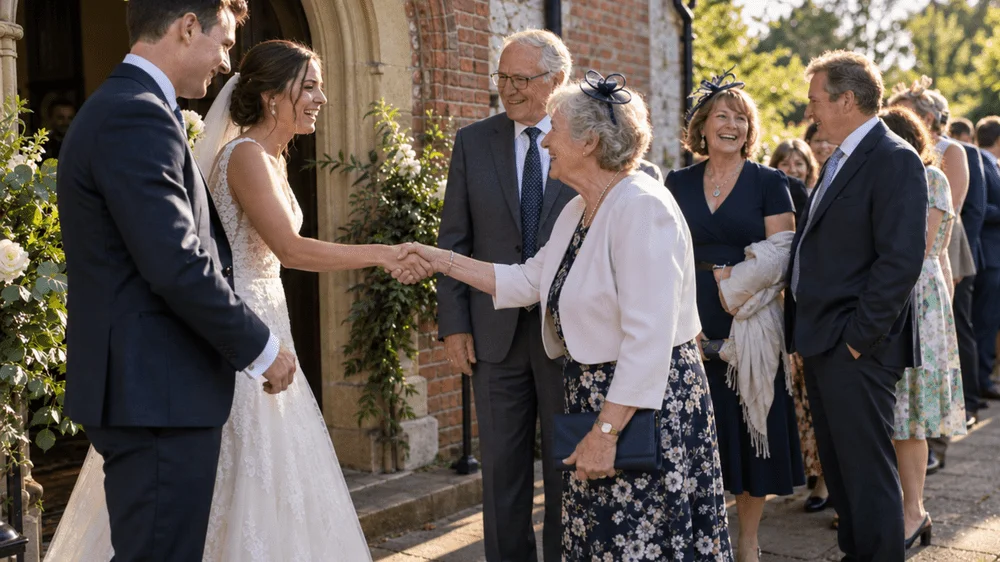
A receiving line offers a chance to greet every guest and thank them for coming. The trade-off is that a long line after the ceremony can use up a substantial part of the day, particularly when many guests are waiting for a brief conversation.
Couples can connect with people in a less formal way: mingle during cocktail hour, visit tables at dinner or make time to move around the celebration. That approach won’t guarantee a long conversation with everyone, but it can make greetings feel more relaxed.
6. Mandatory parent dances
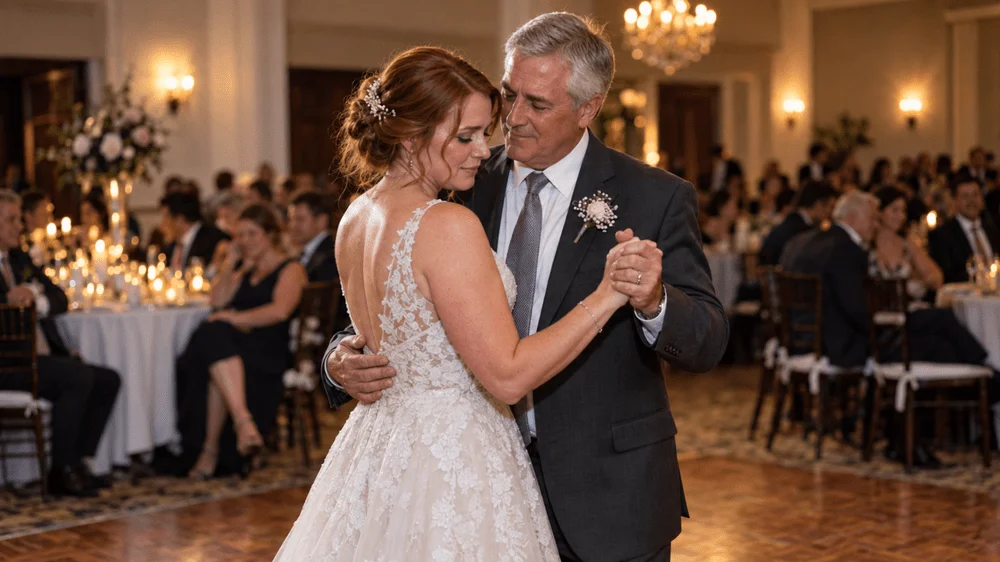
Parent dances can be deeply meaningful. They can also feel uncomfortable or complicated, depending on someone’s family relationships. Even a close bond doesn’t mean a person wants to dance under a spotlight in front of a crowd.
There are plenty of ways to mark a family connection: a shared dance, a song dedicated to someone important, or no formal dance at all. The couple can decide which, if any, belongs in the schedule.
Who shares the day, and how they take part
7. Separate seating for the bride’s and groom’s guests
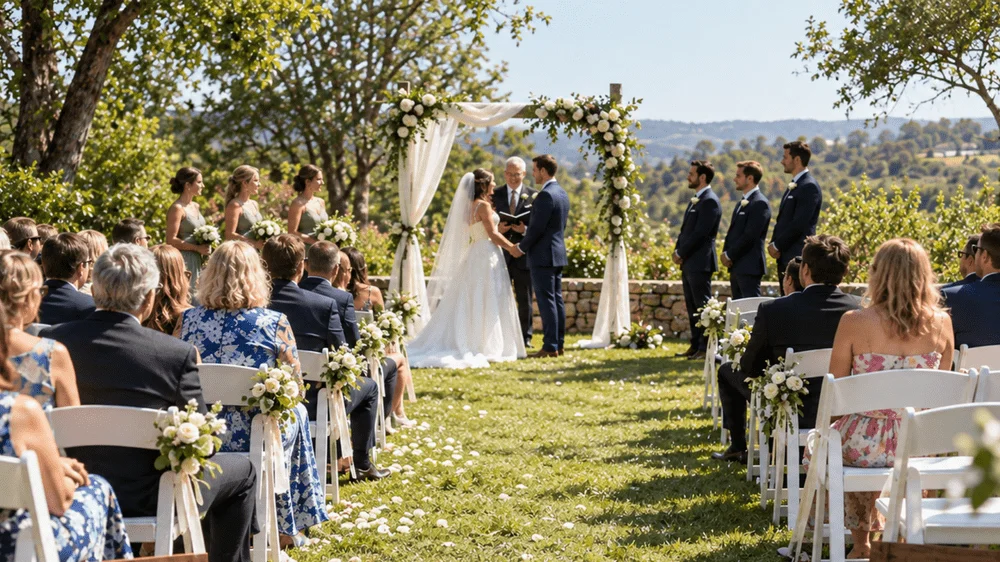
Signs asking guests to “pick a seat, not a side” may have become familiar, but the idea still works. Everyone is there to celebrate the same couple, and there’s no need to divide the room into two groups.
Open seating can be especially convenient when one partner has a larger family or circle of friends. Guests can sit with the people they know or choose a spot that feels comfortable, without worrying about which side they’re meant to occupy.
8. A very large bridal party
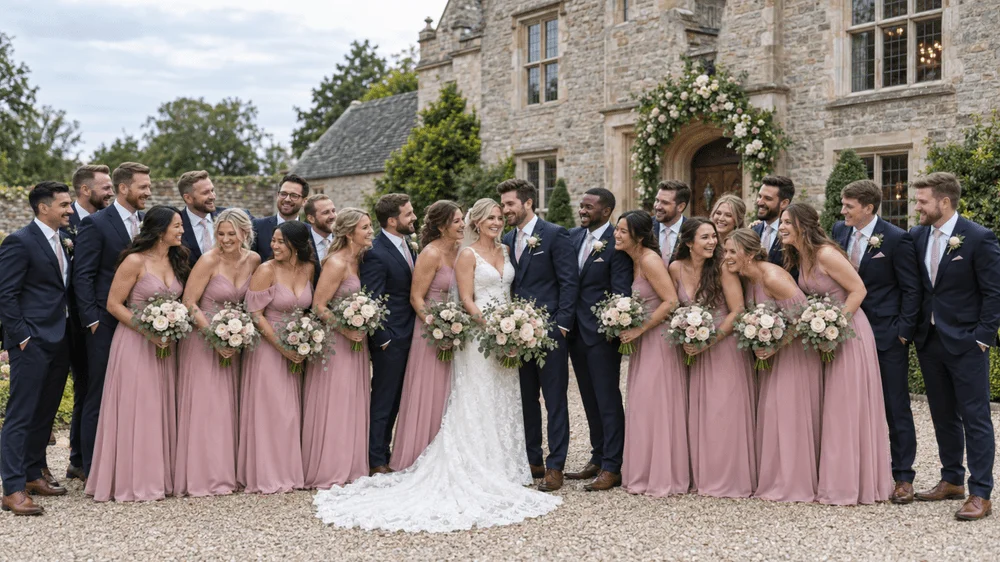
Choosing a wedding party can get complicated when close friends, siblings, cousins and old friends all matter. The writer knows the pull: she had eleven bridesmaids at her own wedding. Still, there’s real appeal in keeping the group small or not having a formal wedding party.
Two or three attendants can stand beside the couple, while other loved ones take part in different ways. Friends don’t need matching outfits or a place in the formal lineup to be important. A smaller group may also mean fewer associated events and purchases for the people involved.
9. Identical bridesmaid dresses
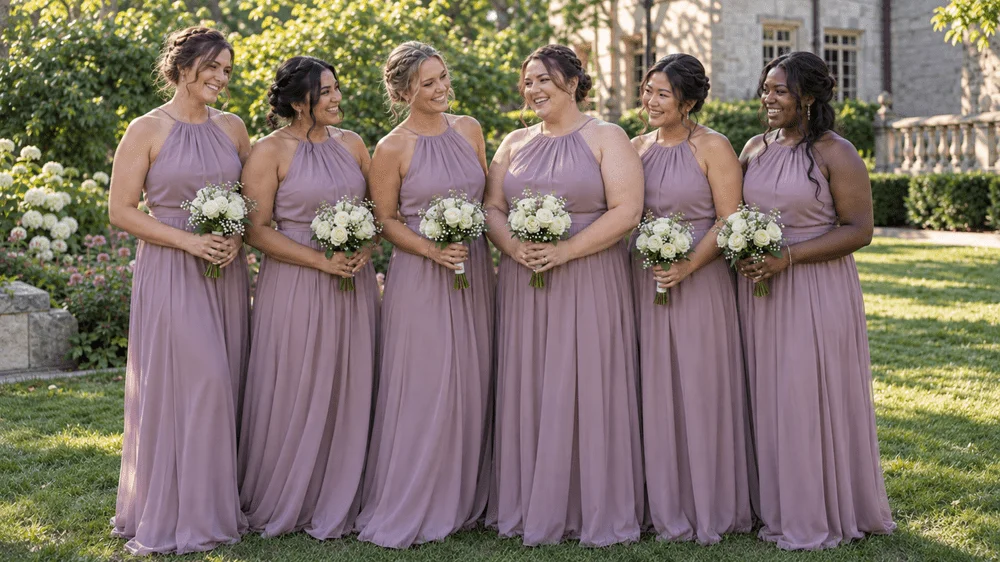
Matching dresses are one way to create a coordinated look, but they aren’t the only one. A single cut may not feel comfortable or flattering to every person in the wedding party. Different styles, prints or complementary colors can look cohesive without making the group look uniform.
Couples can choose a shared palette or a general style and let attendants pick outfits that work for them. The result can still suit the celebration while giving each person more room to feel like themselves.
10. The father giving the bride away
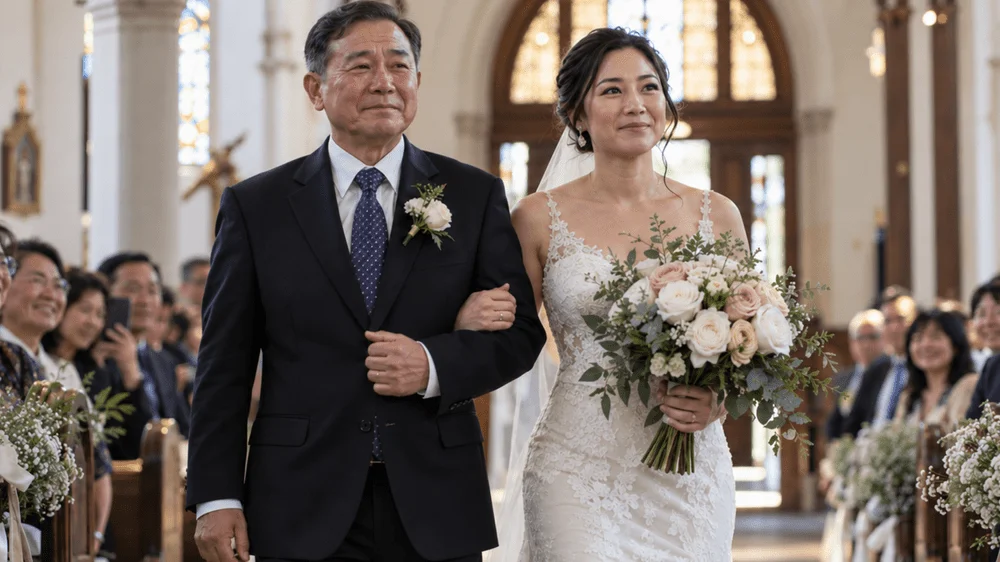
Being escorted down the aisle by a father is meaningful for some brides, but it doesn’t fit every family or relationship. The idea that a bride must be formally “given away” can leave little room for other people who matter to her or for the choice to walk alone.
A bride might walk with both parents, with her partner or with another loved one. She might also choose to make the entrance on her own. There’s no one correct arrangement.
11. The bride’s family paying for the whole wedding
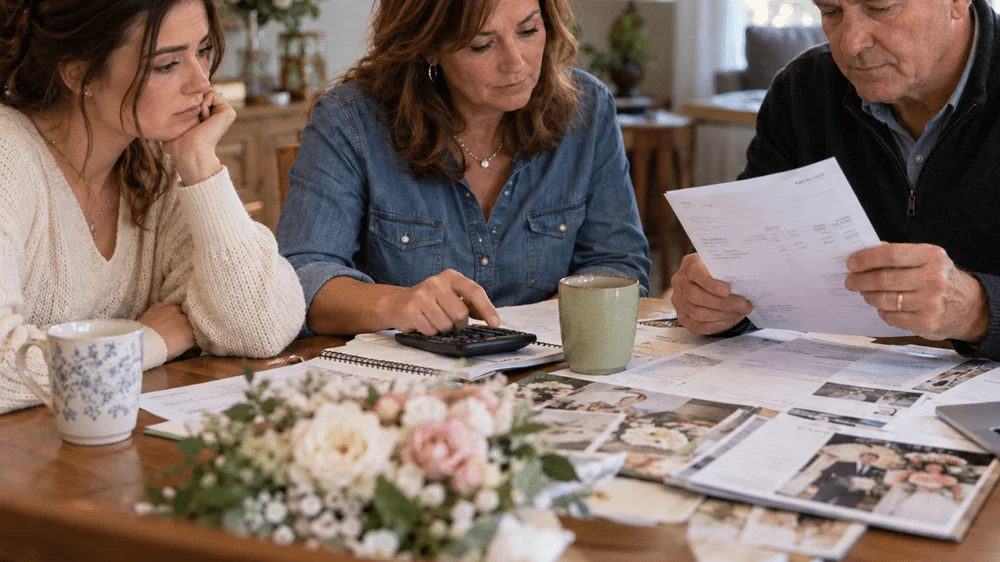
Expecting the bride’s parents to cover the entire wedding can put a heavy obligation on one family. Some parents want to contribute, and that can be welcome. Other couples pay for the event themselves, share costs between families or work out another arrangement that suits everyone.
The central point is that a person’s place in the family shouldn’t dictate that they must finance the celebration. A candid conversation about what people can contribute can help the couple plan around the resources that are actually available.
First looks, keepsakes and wedding details
12. Waiting until the ceremony to see each other
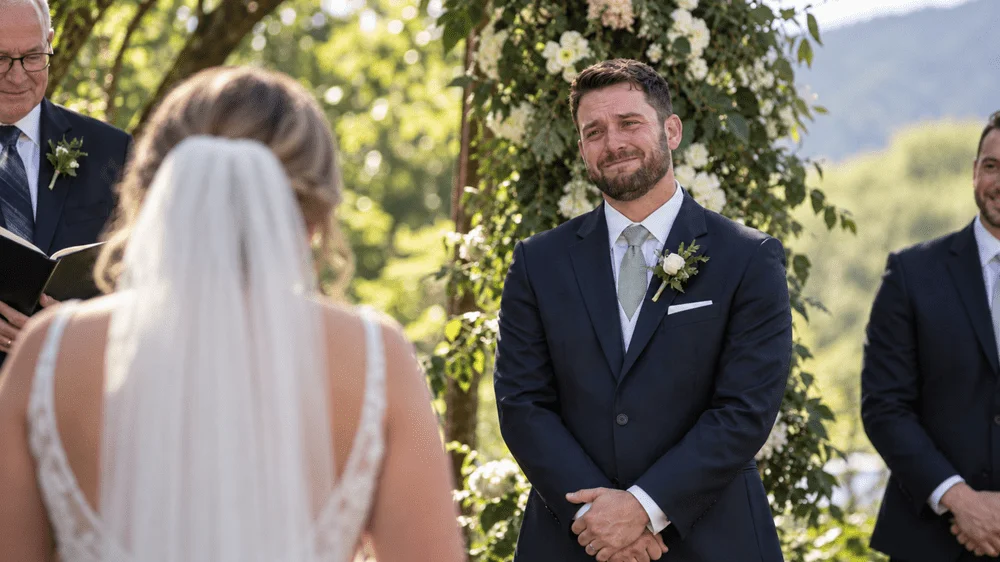
Some couples want their first look to happen at the ceremony, and that anticipation can be special. Others prefer to see each other beforehand. A first look gives the couple a private moment before the day gets busy, can make room for portraits earlier and may leave them more time to enjoy cocktail hour.
Neither choice is more meaningful by default. Couples can choose the timing that fits their feelings and schedule, rather than treating the old belief about bad luck as a requirement.
13. A guest book that’s only signatures
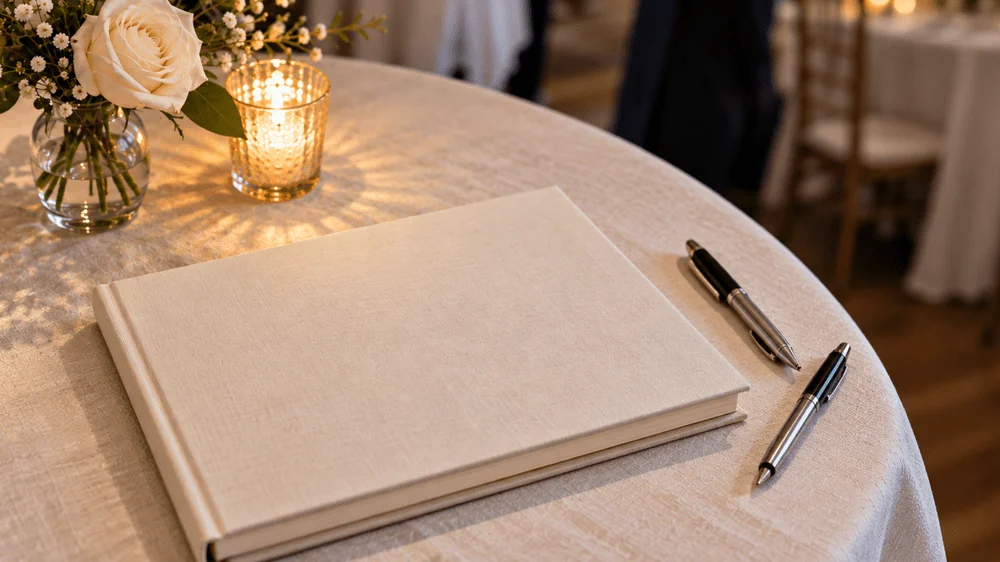
A book of names and brief congratulations can be a nice record of who attended, but it may not be something the couple revisits. A keepsake is more likely to feel personal if it holds a message, photograph or voice recording that brings back a memory of the day.
Audio guest books, Polaroid albums and handwritten notes are examples of alternatives. The best format depends on what the couple would actually enjoy looking at later. The point is to choose a keepsake with a purpose, rather than adding a signing table out of habit.
14. A formal cake-cutting announcement
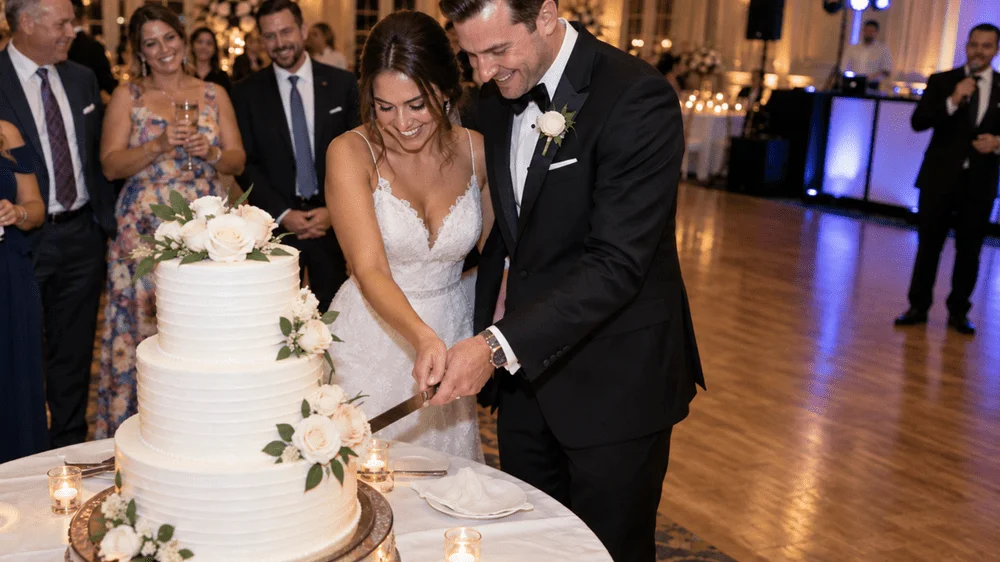
Serving cake doesn’t require stopping the reception and gathering the guests to watch the couple cut it. The pause may be welcome to some, but it can interrupt a lively dance floor for people who are already enjoying themselves.
Couples who want the photograph can arrange a quick, private cutting with their photographer. Everyone can still have cake, and the celebration can keep its momentum.
15. A novelty groom’s cake
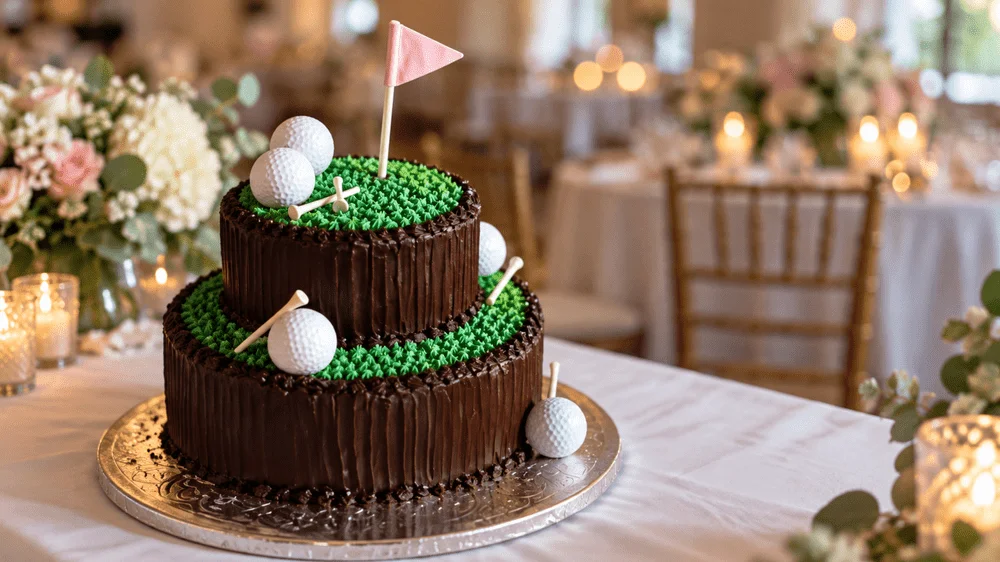
Elaborate cakes shaped like football helmets, video game controllers or fishing boats became a recognizable wedding look. Groom’s cakes also have a longstanding place in Southern wedding tradition, so there’s no reason to dismiss the custom altogether.
The narrower question is whether a novelty cake that represents a particular hobby suits this couple. If it does, it can be a playful personal detail. If it feels like a trend they’re following by default, a simpler dessert may fit better.
Photo moments and decor that don’t need a script
16. The sparkler send-off
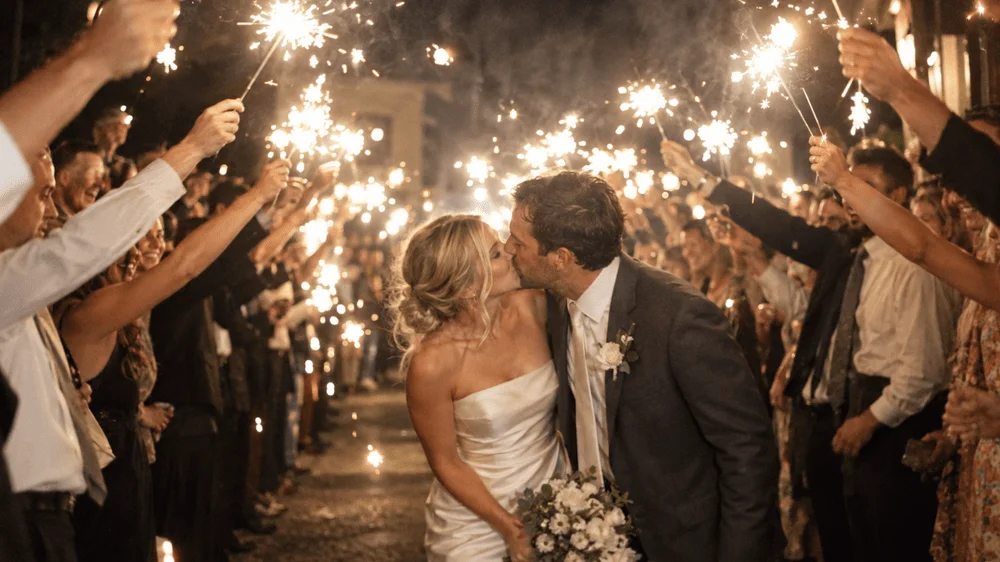
A tunnel of sparklers can look beautiful in photographs, but making it happen takes coordination. Guests need to be arranged, timing has to work, and fire safety restrictions may affect whether the plan is possible. A staged exit can also feel a little odd if everyone goes back inside afterward.
Couples who love the picture can decide that the planning is worthwhile. Others might prefer the night to end on its own, without organizing a final scene or asking guests to follow a set of instructions.
17. A punny wedding hashtag
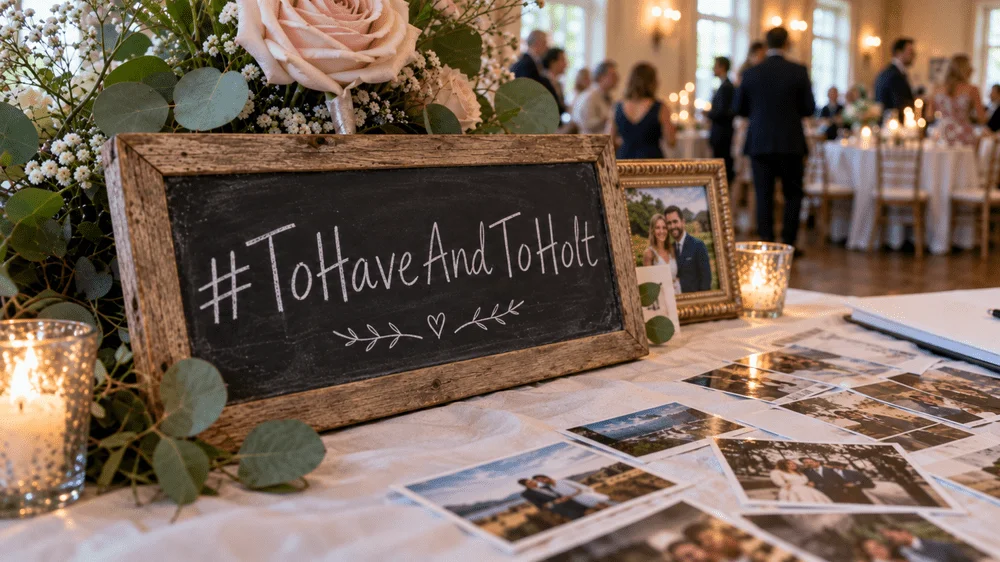
A clever hashtag can be fun, especially if guests want to share photos in one place. But turning it into a major decor feature may be more effort than it’s worth, particularly when the pun is hard to spell or understand.
There’s no harm in making one for fun. It just doesn’t have to appear on a custom sign or become a central part of the reception. Guests may share their photos directly with the couple anyway.
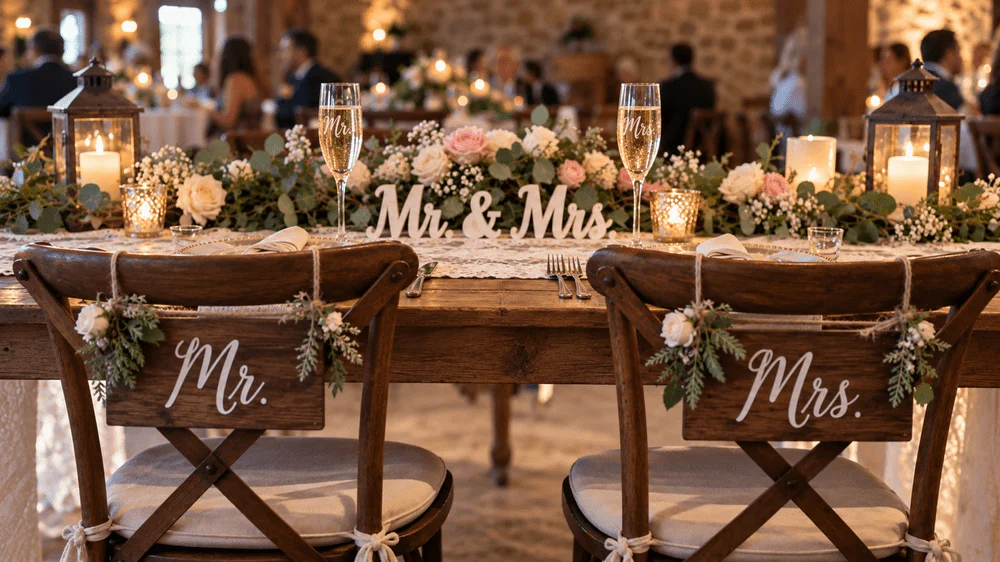
18. “Mr. & Mrs.” on everything
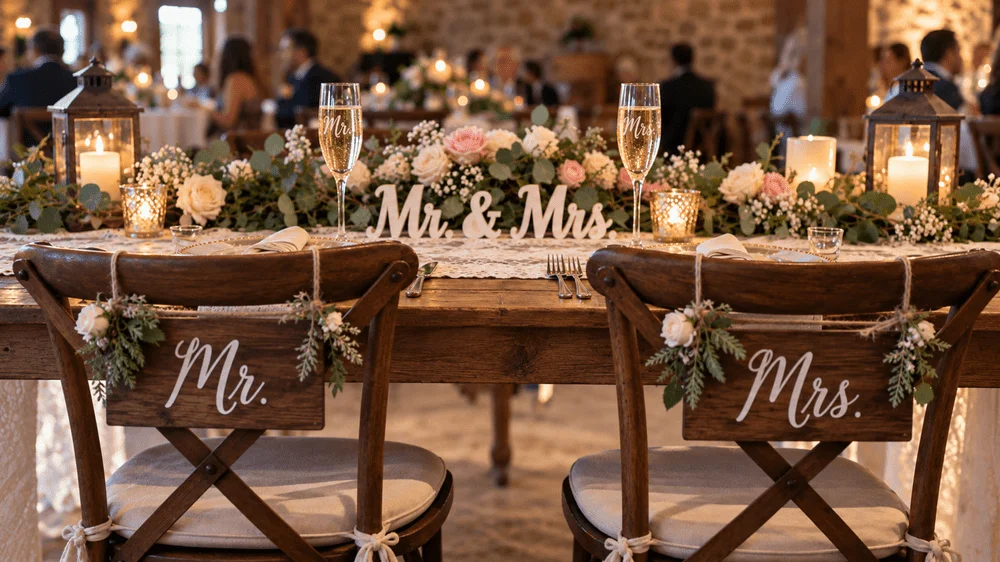
Matching glasses, chair signs, cake toppers, hangers, robes and large letters can all announce that the couple is married. Using one or two details may be a personal touch; putting the same title on every surface can make the decor feel like it came from a single aisle of a craft shop.
Wedding details can feel more distinctive when they reflect what the couple likes, instead of repeating the same message. A newlywed title doesn’t need to appear everywhere for the day to feel special.
Choose the moments that feel like yours
The best approach to wedding traditions is to pick them one by one. A couple can have a large bridal party and skip the bouquet toss, or walk down the aisle with a parent and still have a first look beforehand. They can serve cake without turning the cutting into a show.
Traditions can offer structure and meaning, but they don’t have to dictate the celebration. Couples can talk through what they enjoy, what feels uncomfortable and what they’d rather spend time on. The day will feel more personal when its schedule and details reflect the people getting married.
For more ideas, see 15 Wedding Trends for 2027 That I'm Absolutely Loving.
Related reading: Engagement Photo Outfit Ideas That Look Amazing in Photos, 2027 Bridal Gown Trends That Are Worth Trying On and Trendy Bridal Shower Outfits for the Bride in 2027.