2027 Engagement Ring Trends: 15 Styles to Consider Before You Choose
From east-west settings to colored stones, 2027’s ring styles offer plenty of ways to make a lasting choice that fits your taste and daily routine.
Engagement rings for 2027 are making room for more personal choices. Classic solitaires still have a place, but the range of shapes, settings and small design details gives shoppers more ways to find a ring that feels right for everyday wear. The strongest styles pair visual character with practical questions: how high the stone sits, how the ring feels on your hand and whether it works with a wedding band.
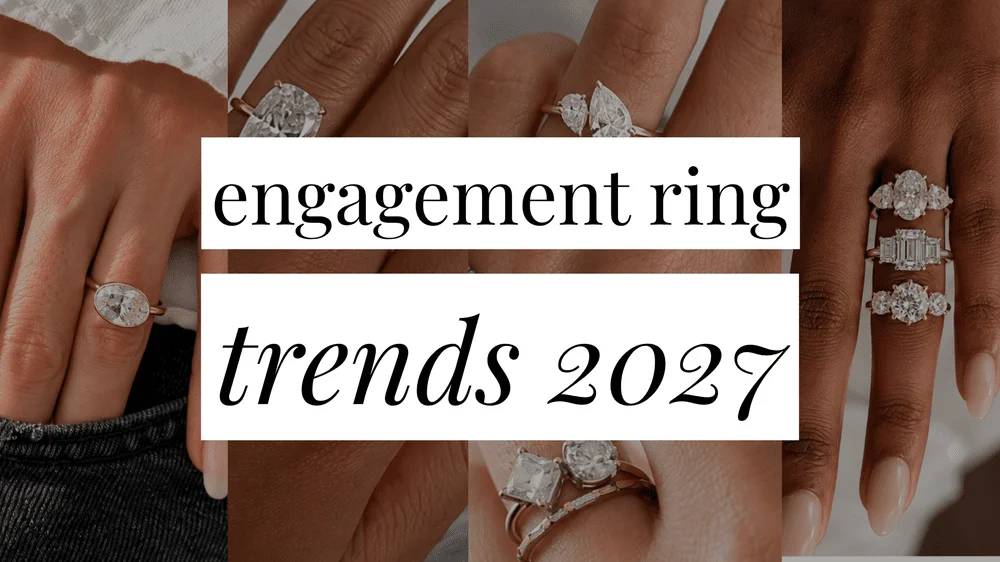
Here are 15 directions to consider, from vintage references to contemporary silhouettes.
Distinctive shapes and settings
1. East-west settings
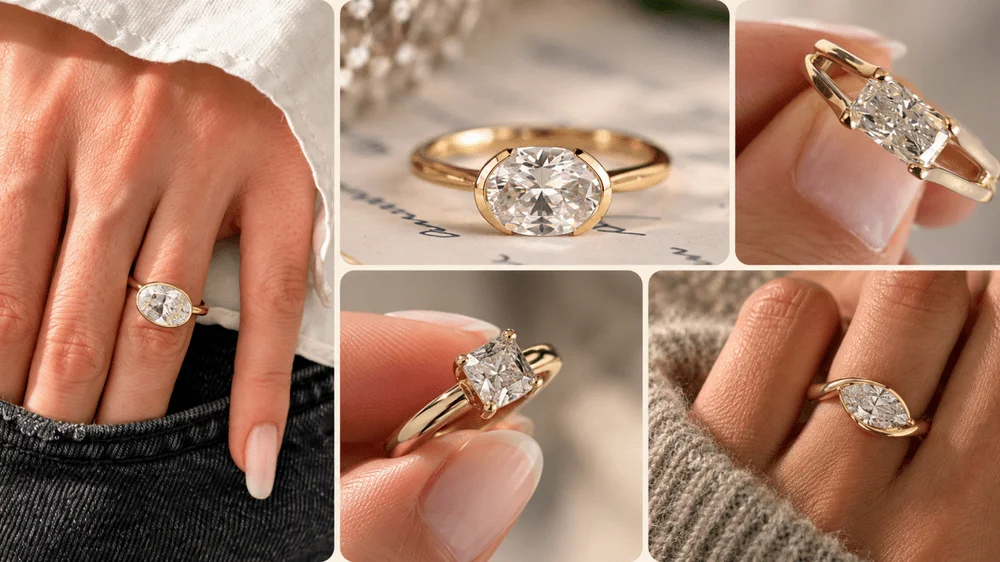
Turning an elongated stone sideways changes the feel of a ring without adding extra detail. This east-west arrangement is especially suited to emerald and marquise cuts. It has a less expected profile while keeping the stone itself at the center of the design.
2. Old mine cut diamonds
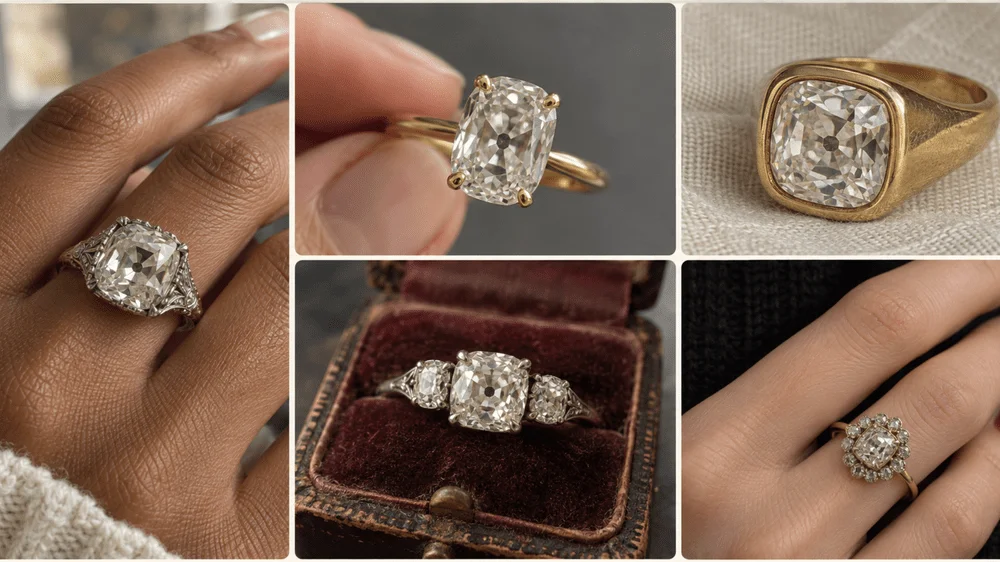
Old mine cuts bring an antique character through larger, chunkier facets and a softer sparkle than modern brilliant cuts. Their irregularity is part of the appeal: the look feels romantic rather than perfectly uniform. Yellow gold is a natural pairing, and the style may suit someone drawn to vintage jewelry who still wants a ring that feels current. The source points to Taylor Swift’s engagement ring as a reason interest in this cut has grown.
3. Chunky gold bands
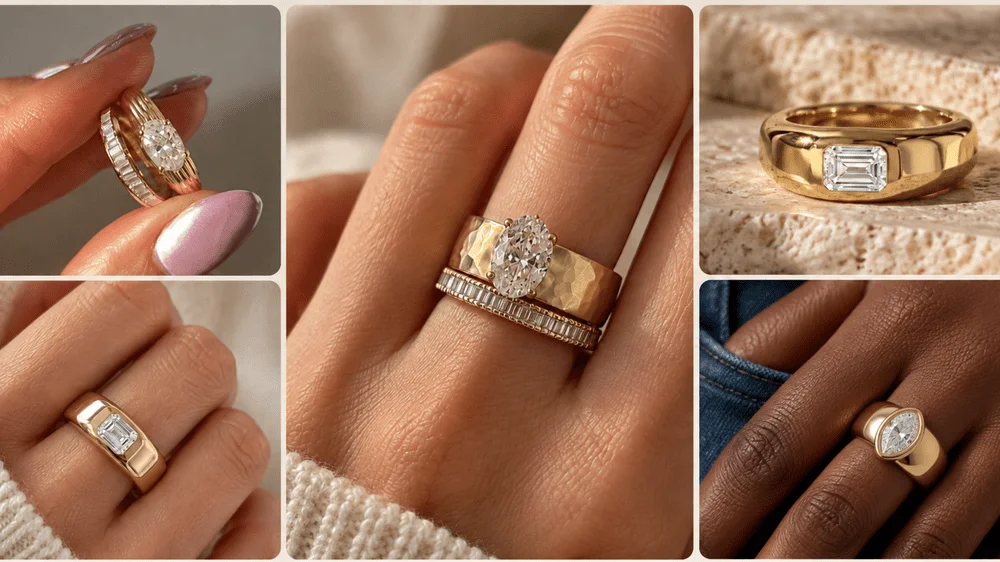
Thicker yellow gold bands are replacing the barely-there look for shoppers who want the band to contribute as much to the design as the center stone. Pairing a substantial band with an oval or elongated cushion diamond creates a contrast between the ring’s weight and the stone’s softer outline. The result reads modern and fashion-led while keeping a familiar central stone.
4. Bezel settings
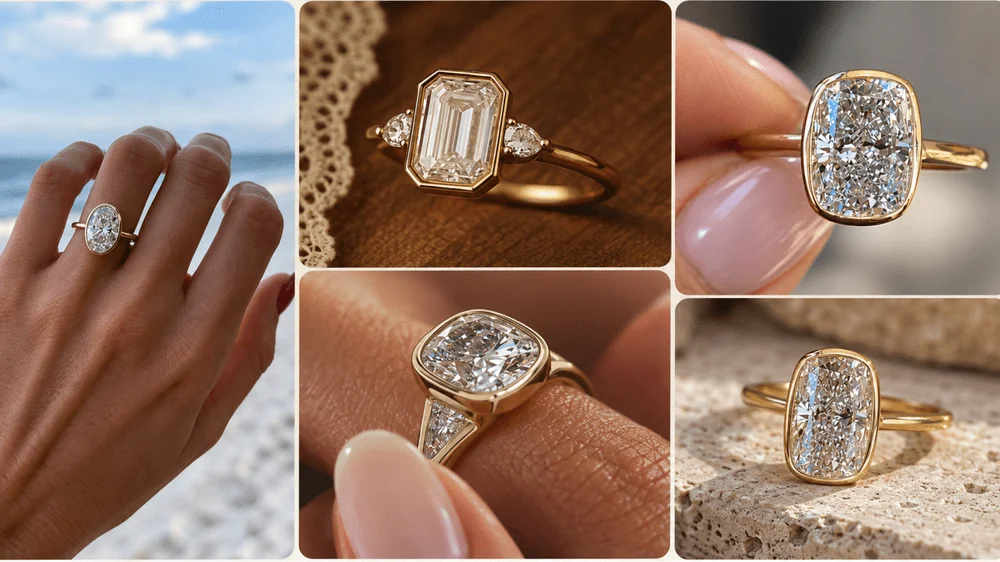
A bezel uses a narrow rim of metal around the stone in place of traditional prongs. That gives the ring a clean, minimal outline and helps protect the diamond’s edges. For someone whose jewelry often catches on clothes or other objects, that protective edge can be a useful part of the design. The trade-off is a more enclosed look, so try one on if you’re unsure how the metal frame will suit the stone.
5. Elongated cushion cuts
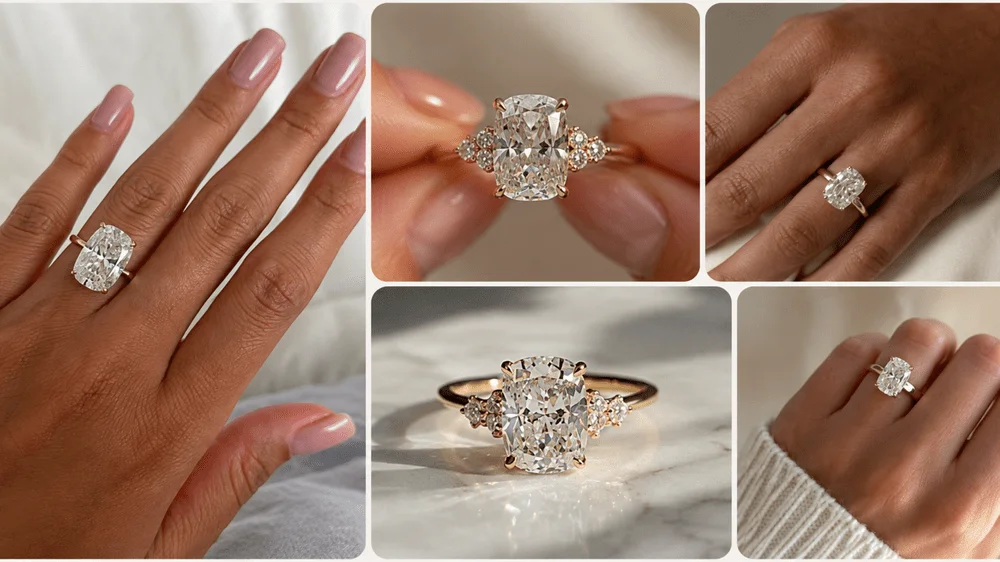
This shape combines the rounded corners of a traditional cushion with a longer outline. It offers an alternative for someone who likes the proportions of an oval but wants a different silhouette. A simple solitaire setting lets the elongated cushion remain the main feature.
6. Marquise cuts
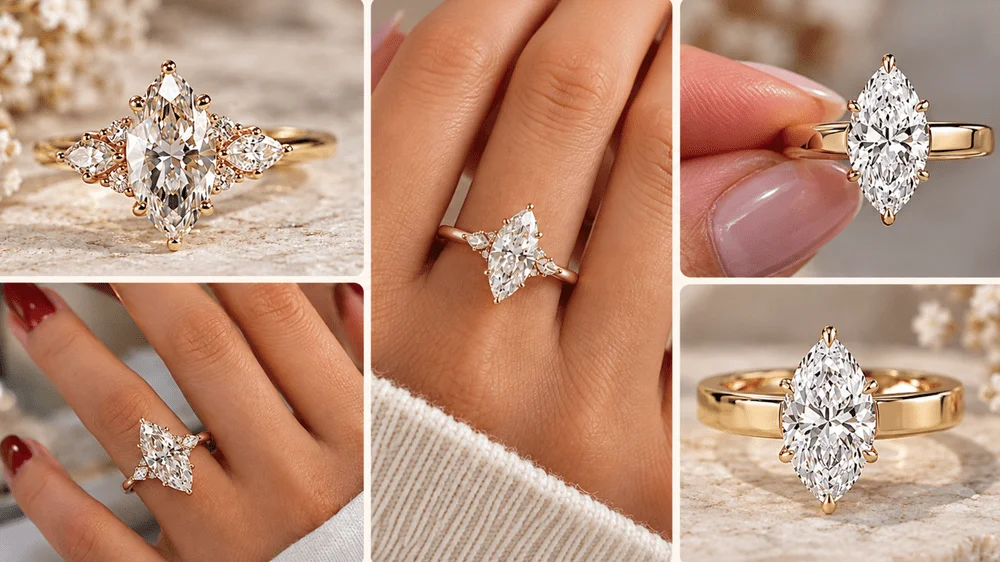
With its long, pointed ends, a marquise has a dramatic profile that stands apart from round and cushion stones. It can feel traditional in a simple solitaire, or more contemporary in an east-west or bezel setting. The shape is a strong option for anyone who wants an elongated look with a sharper outline.
Personal details and multiple stones
7. Vintage-inspired designs
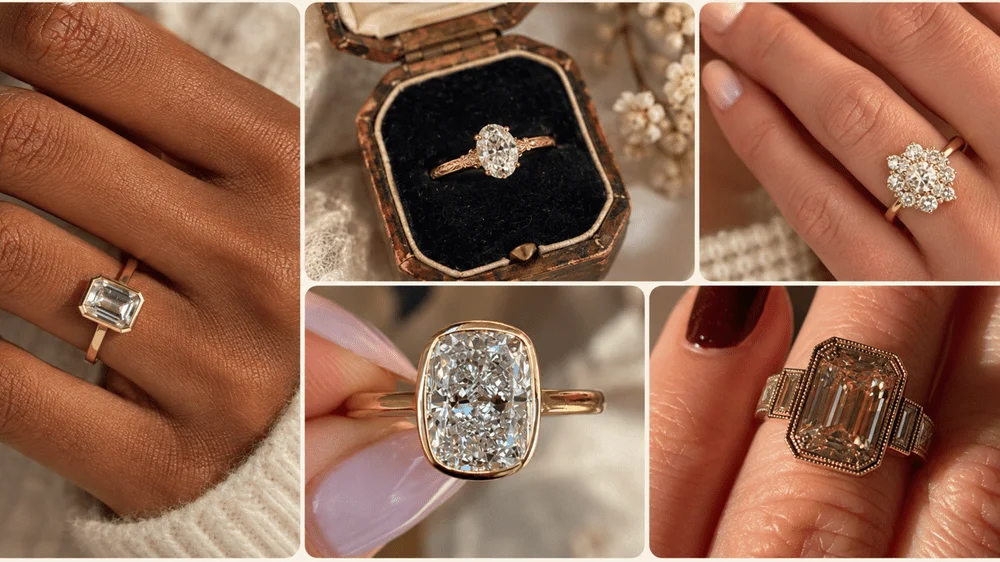
Engraved bands, milgrain edges and antique-looking diamonds give vintage-inspired rings their sense of history and detail. These touches also make room for variation, so two rings in the same style need not look identical. This direction may appeal to someone with a romantic style or a fondness for antique jewelry.
8. Toi et moi rings
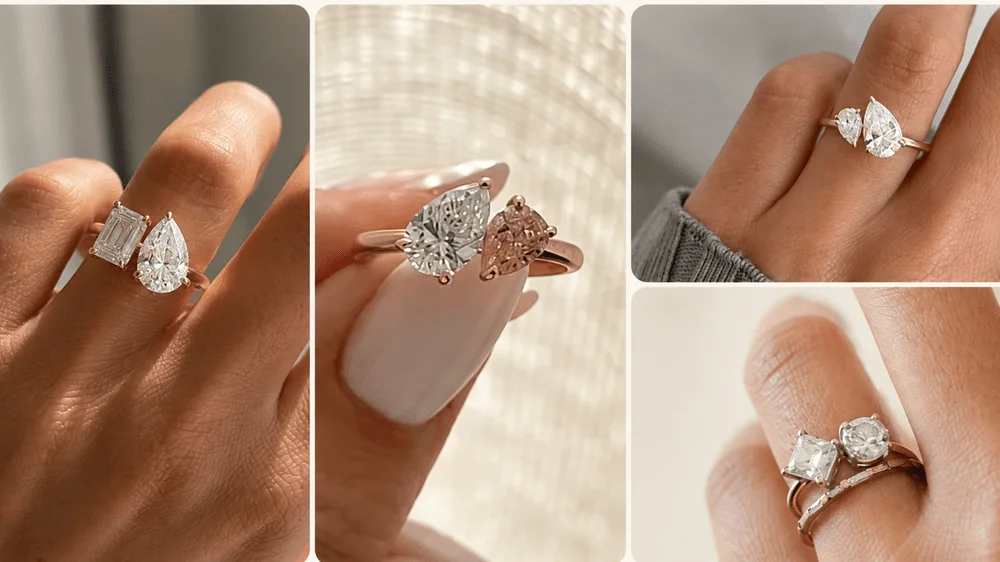
Toi et moi rings place two center stones beside each other; the name means “you and me.” The pairing can bring contrast into the design, such as a pear shape alongside an emerald cut, or an oval diamond beside a smaller colored gemstone. With two stones to choose and arrange, there’s plenty of room to make the ring feel individual.
9. Colored gemstones
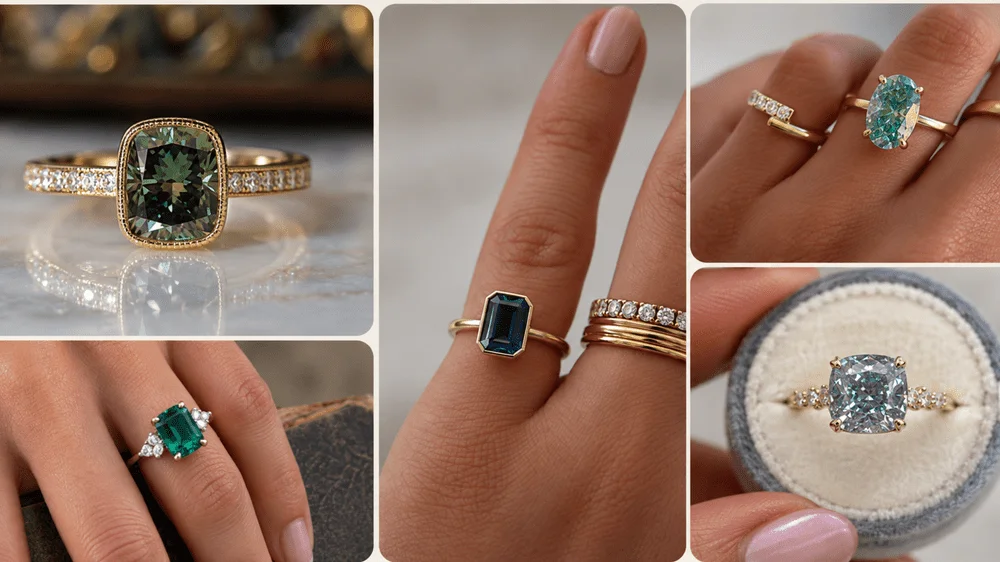
A center stone doesn’t have to be a traditional white diamond. Deep blue sapphires, rich green emeralds and warm champagne-colored diamonds offer a more colorful focal point. For a subtler touch, smaller gemstones can sit alongside a traditional diamond. That approach adds color while keeping the main stone familiar.
10. Three-stone rings
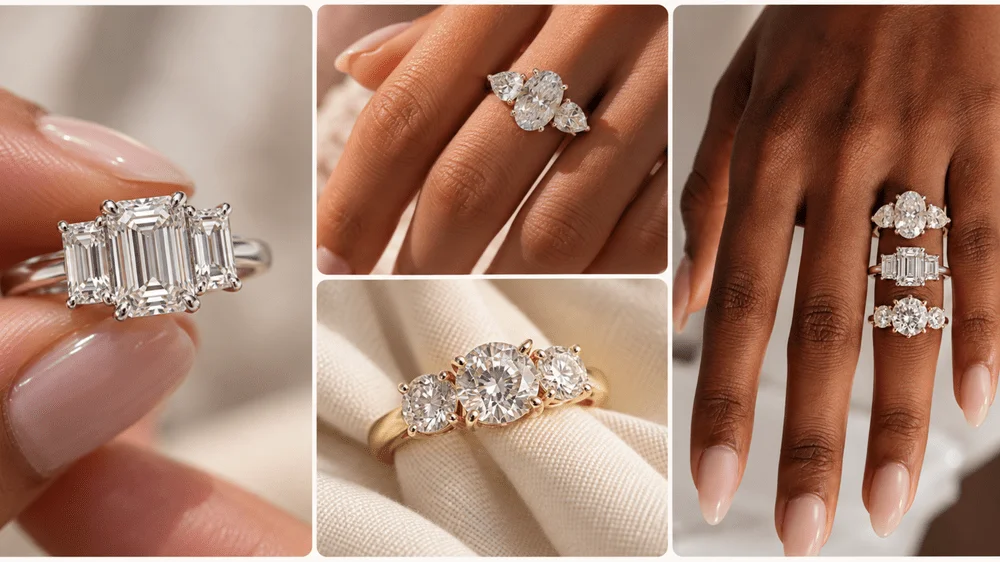
Three-stone rings are moving beyond three matching round diamonds. One option pairs an emerald-cut center stone with tapered baguettes; another sets an oval between two smaller pear-shaped stones. These combinations keep the balanced, established shape of a three-stone ring while giving it more variety.
11. Sculptural settings
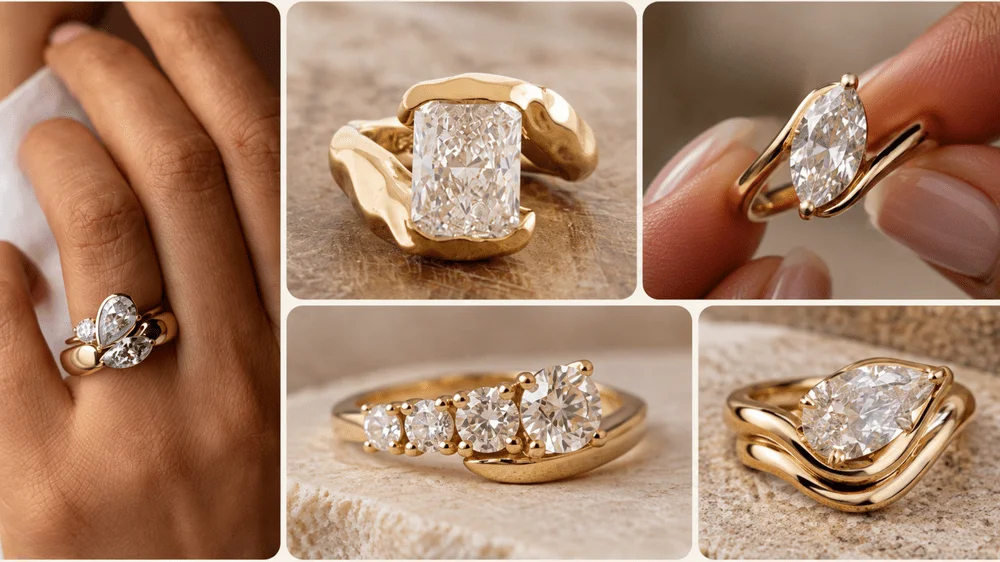
Here, the band and setting become part of the visual statement. Curved lines can wrap around the center stone, while asymmetrical designs give the ring a less conventional outline. Sculptural styles bring an artistic quality, though their more distinctive shapes may call for trying the ring on to see how it feels and looks in daily wear.
12. Mixed metals
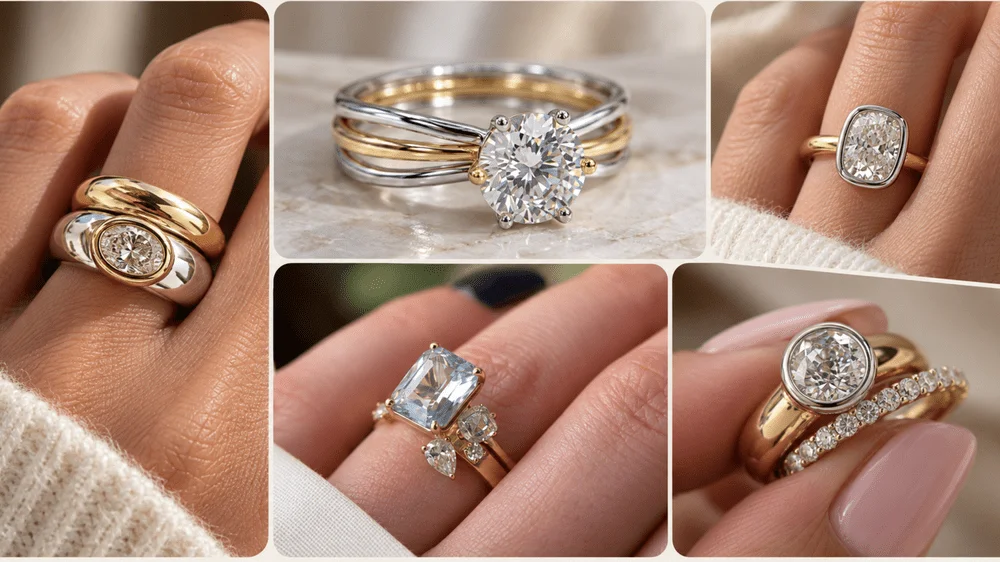
Combining metal colors offers a way to bridge different jewelry preferences. A warm yellow gold band with a platinum setting around the diamond is one example: the contrast is restrained but gives the ring an extra detail. This may work especially well for someone who already wears both gold and silver-colored jewelry.
13. Hidden details
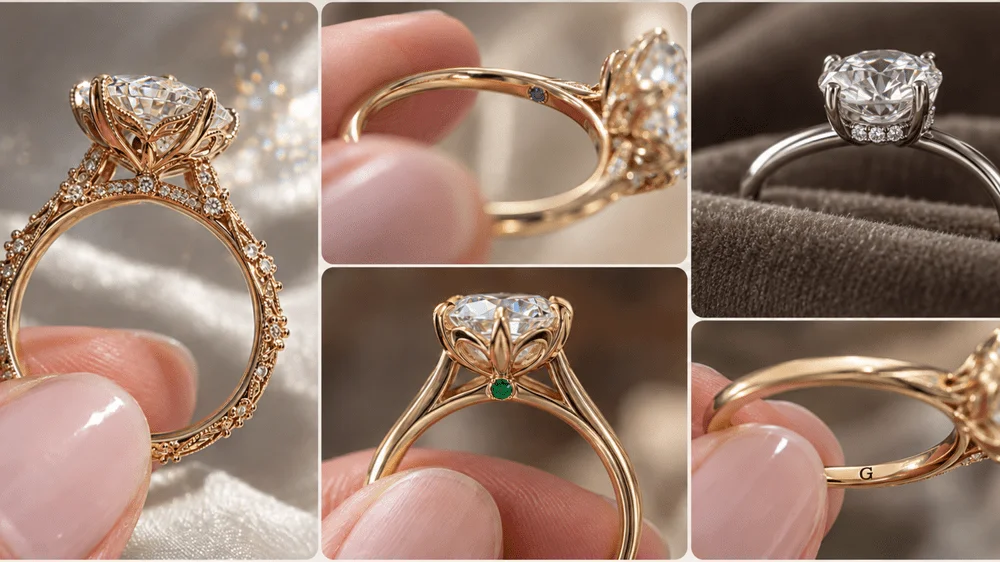
Personal touches can stay out of sight when the ring is viewed from above. Hidden halos beneath the center stone, small birthstones inside the setting, meaningful engravings and other discreet accents add significance without changing the overall style dramatically. A ring can look classic on the surface and still carry a detail chosen just for its wearer.
Comfort, height and a simpler set
14. Low-profile rings
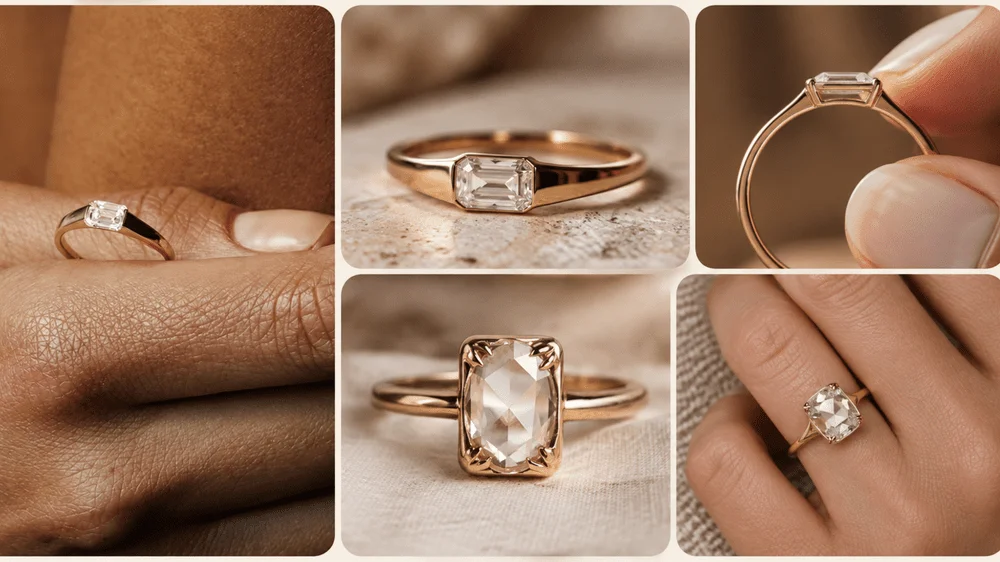
Low-profile settings keep the center stone closer to the band. That streamlined shape may suit someone with an active routine or anyone who dislikes a tall stone catching on clothes. Check how a wedding band will sit beside the ring: some lower settings call for a curved or custom band to fit neatly alongside them.
15. One-and-done statement rings
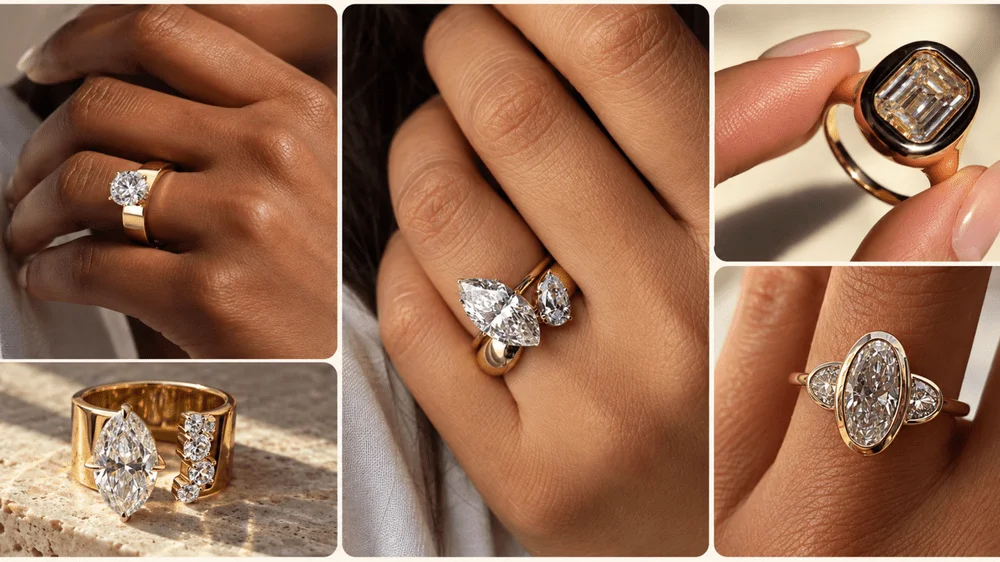
Some shoppers are choosing one statement ring to serve as both engagement ring and wedding ring. Designs might use a thick gold band set with diamonds, a bold vintage-inspired shape or a sculptural form that stands well on its own. This option can simplify the search for two rings that work together, and it suits someone who prefers a less traditional bridal jewelry look.
Choose for your real life, not the trend cycle
Trend lists are useful for discovering possibilities, but a ring is a personal choice you may wear every day. Start with the jewelry you already reach for: a preference for yellow gold, for instance, may be a better guide than a passing shift in popularity. Think, too, about how you use your hands. A low setting or bezel may feel more practical if you often catch jewelry on things.
Try different stone shapes on your own hand before deciding. A cut that looks appealing in a photo can feel quite different in person. Consider the wedding band at the same time, since not every engagement ring will sit flush with a straight band. And set your own priorities for the center stone: a smaller diamond in a setting you love can be just as satisfying as a larger one.
There’s no need to choose an unusual design for the sake of novelty. A classic solitaire remains a good choice if it’s the ring you’ve always wanted. The range of 2027 styles simply makes it easier to explore different combinations, from a horizontal marquise to a vintage cut with a hidden personal detail.
The most useful takeaway is to notice which designs keep drawing your eye, then test those choices against comfort, daily habits and the wedding band you may wear beside them. A ring that suits your taste and routine has a better chance of feeling like yours long after a trend has passed.