Which UK Cashback Services Should You Be Using To Save Money?
Written by Al Baker | Founder & Editor, The Penny Pincher - Last updated: the 2nd of November 2026Cashback is a way to get some money back on shopping you were going to do anyway. Say you’ve found a p...
Written by Al Baker | Founder & Editor, The Penny Pincher - Last updated: the 2nd of November 2026
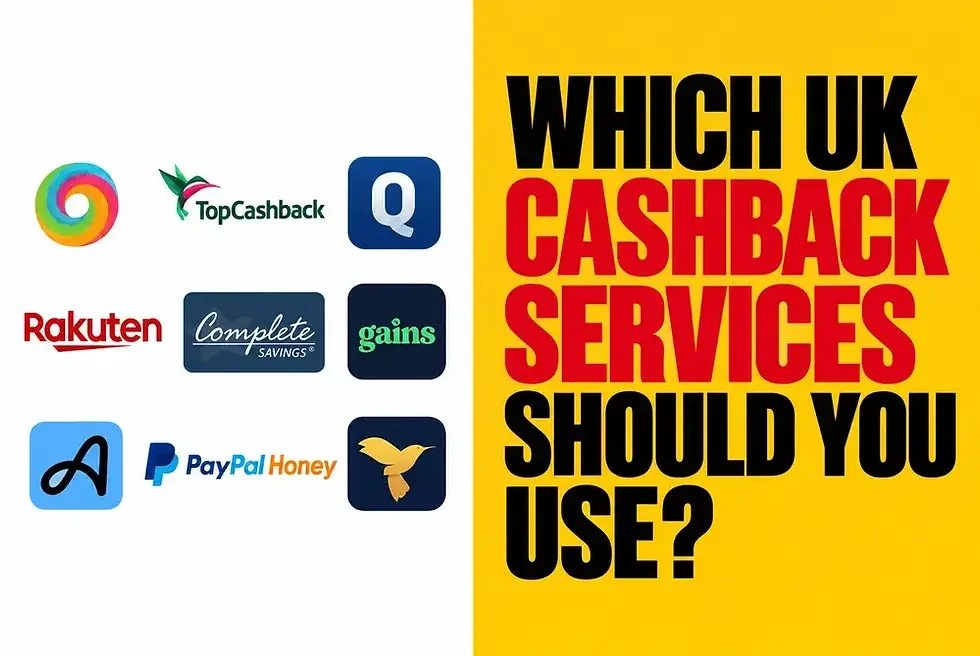
Cashback is a way to get some money back on shopping you were going to do anyway. Say you’ve found a pair of trainers online for £50 and a cashback website is offering 4% on the full price. If you follow its link to the shop, you’ll pay the retailer the usual £50 and earn £2 back once the retailer approves the purchase.
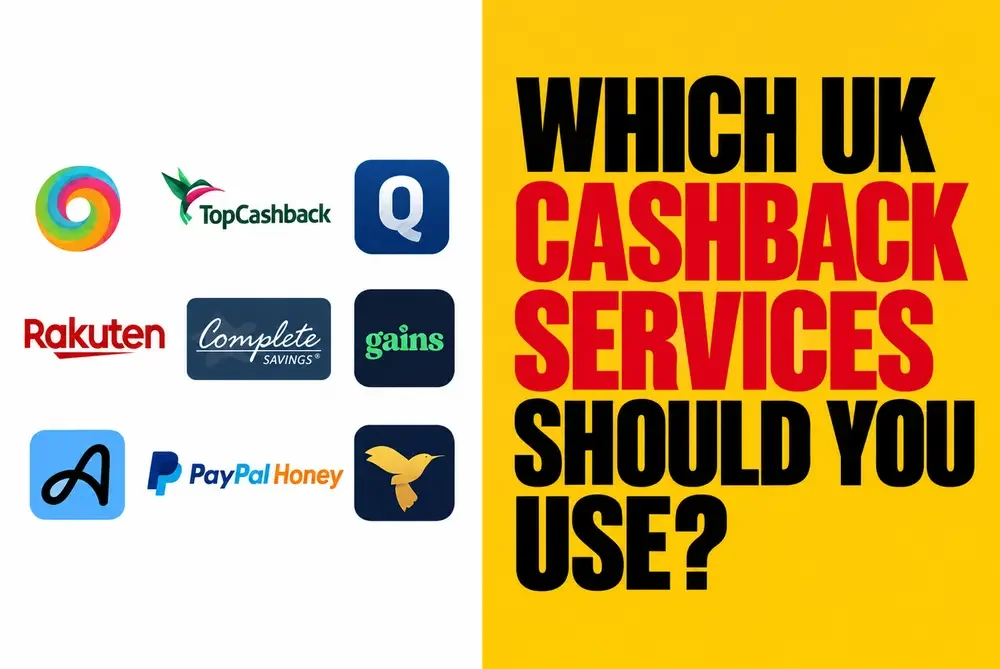
If you’re new to cashback, I’d pick the service you can use on your next shop. For an online order, I’d start with a free TopCashback Classic or Quidco Basic account and search for the retailer before paying. If the weekly food shop takes the biggest bite out of your budget, I’d look at JamDoughnut first, checking that your supermarket accepts its gift card wherever you usually shop.
Which cashback app or website should you try first?
Imagine buying the same pair of trainers three ways. With TopCashback, Quidco or Rakuten, you visit the retailer through a link so it can record who sent you. With JamDoughnut, you buy a gift card for the shop, earn a reward on the card purchase and use the card to pay for the trainers. With Airtime, you pay with a bank card you’ve already registered and, if the shop and purchase qualify, the reward goes towards a supported mobile bill.
Where does the cashback money come from?
An online retailer can pay a cashback website commission for sending it a customer. The website shares some of that commission with you once the retailer accepts the sale, which is why paying for the order and being able to withdraw your reward are two separate events. If you later send the trainers back, for example, the retailer can reverse the commission because it didn’t keep the sale.
With a gift-card app, the deal is on the voucher you buy, so the app can give you a reward before you’ve even spent it in the shop. That helps explain why the same supermarket can appear in two apps at different rates, or offer one rate on a gift card and another on a home-delivery order. I start with how I’ll actually shop, because a generous online offer for a new customer does me little good if I’m already a customer and standing in the store.
Is JamDoughnut a good place to start for supermarket shopping?
I usually wait until the cashier has scanned my Tesco shopping before buying a gift card, because by then I know exactly how much I need. If the total comes to £38.20, I can buy a £38.20 gift card in the app and have the cashier scan it there and then, which saves me buying a £50 card and having to remember the £11.80 left on it. At another shop, I’d first check the minimum amount, whether I can enter the exact total and whether the card works at the till or online checkout I’m using.
On that £38.20 shop, a rate of 3.5% would earn about £1.34, while 3.6% would give me £1.38. I’m unlikely to switch apps at the till for an extra 4p, but if another app offered 5.5%, I’d get about £2.10 back and I’d be more inclined to use it, especially on a bigger shop. When I compare JamDoughnut with another app, I use the rate for the way I’m actually going to pay, because paying by bank can give a different return from paying by card.
What keeps me coming back to JamDoughnut is that I know my way around it and buying the card usually takes me about a minute. If I’m heading to Tesco anyway, that’s a small enough change to my routine that I’ll actually do it, even on a modest shop. I’d take familiarity into account when choosing your first app, particularly if you’d feel uncomfortable trying to find a barcode for the first time with a queue behind you.
If that sounds familiar, look up your supermarket before you set off, see how you’d pay for the card and find out where it will appear in the app. You can still wait for the cashier to tell you the total before you buy. That way you get the benefit of knowing what to do without having to guess in advance how much will go through the till.
Once I’ve bought the gift card, the cashback goes into my JamDoughnut wallet, where I can let it build up until I reach the £10 cash-out threshold. I usually put the balance towards another gift card for somewhere I already shop. That lets me use the whole amount on my next purchase, as cashing out to a voucher is free and a bank withdrawal costs 30p under JamDoughnut’s cash-out guidance.
If you use my JamDoughnut referral link and enter code PPUK, the £3 bonus is linked to your first qualifying gift-card purchase. That’s separate from reaching the £10 wallet threshold for cashing out. You can see how I use the app in supermarkets and what to look for before paying in my JamDoughnut cashback review.
How to compare cashback on an online order
If I can buy something for £50 with free delivery, a second shop offering it for £49 with 5% cashback sounds tempting until I see the £4.99 delivery charge. That takes the checkout price to £53.99, and even if I get the full £2.45 cashback on the item, I’m still paying £51.54. I’d buy it from the first shop because £50 is already the better price and I don’t have to wait for any money back.
Once I’ve chosen the retailer, I look at the rate for an existing or new customer, which categories qualify, and whether delivery or VAT is left out of the calculation. A retailer advertising “up to 10%” might pay that on one department and a much smaller rate on the item I want. I sign into the cashback site, follow the retailer link and complete the order in that session using a voucher code only if the terms allow it.
When I use TopCashback for shopping and switching bills
TopCashback has paid me more cashback than any other service I’ve used, with £2,738.48 confirmed across 945 transactions, although I’ve also had £350.72 declined across another 48. Having seen both figures in my own account, I always compare the price including delivery before counting on any reward. If you only use TopCashback occasionally, I’d start with its free Classic membership. With Plus, £5 comes out of your available earnings for each 12 months of membership when you request a payout, so I’d only choose it if the extra rewards on things I already buy could cover that cost. I’ve covered my experience of both successful and declined claims in my TopCashback review.
For broadband, the monthly price is only part of the comparison. I’d add up the charges over the minimum term, including set-up costs and any stated increases, then see whether the cashback offer covers that exact package and my customer status. If the more expensive contract only comes out ahead once a substantial reward is paid, I’d want to be comfortable covering the full cost if the claim is declined.
My own use of TopCashback has changed over time. Complete Savings now gets a lot of my ordinary online shopping because I already pay for the membership and can often earn a good rate there, but broadband and mobile deals are where I still look at TopCashback alongside Quidco.
Some of my bigger individual rewards have come from switches I was already planning, and I wouldn’t want to miss one just because I’d got into the habit of opening the same app for everything.
The figures in your own account also help with the choice between Classic and Plus. If the extra rewards from Plus on the orders you would place anyway came to £3 over a year, paying £5 from your earnings for that membership would leave you £2 behind Classic on those assumptions. If you’re new and have no idea how often you’ll use it, the free account gives you a chance to find out before assigning a value to benefits you might never use.
As checked on the 2nd of November 2026, new members who join through my TopCashback referral link before 10am GMT on the 9th of November 2026 can earn a £10 sign-up bonus. You need to earn £10 in qualifying cashback at eligible brands within 180 days of joining, and the qualifying transactions must be approved. Some retailers and bonuses are excluded, and I earn a referral reward when the conditions are met. See the current TopCashback referral terms.
When is Quidco worth a look?
I’ve earned just under £600 through Quidco and still compare it with TopCashback, particularly for seasonal offers and switches. Quidco Basic is free, while Premium retains £1 of your cashback earnings in active months. I’d sign in before comparing rates, because the figure you see when logged out can be the Premium rate even if you have a free account, as Quidco explains in its membership guide.
Christmas shopping is one of the times I make a point of opening Quidco, because I’ve found particularly good offers on big brands there in previous years. If I’ve got a present to buy and know the retailer already has the best delivered price, I’ll compare the offer in each account, including whether an extra bonus needs activating before I order. The rate on the day I’m paying is worth far more to me than remembering which site won the comparison last Christmas.
That’s also when I think about how much the comparison is worth in pounds. On a £20 present, an extra percentage point on the whole price is 20p, so I’d probably stick with the account I already use. On a planned £500 appliance purchase it’s £5, which is enough for me to check a second site. If the appliance is in a Black Friday sale, I check that sale items qualify before including the fiver in my sums.
If you join through my Quidco referral link, look at the amount offered when you sign up. Under Quidco’s standard referral terms, both people earn a bonus once the new member reaches £5 of confirmed qualifying cashback, excluding free purchases and bonuses. The £5 is the qualifying threshold, and Quidco displays the reward separately. My Quidco cashback review explains what happens between clicking through and getting paid.
When is Rakuten worth checking?
Food delivery is one reason I still check Rakuten. I’ve seen it offer cashback on a takeaway when my usual sites had little to offer, but a headline rate for a first order is no use to me if I’ve been ordering from the same account for years.
If you and a friend order from the same place, it could be your tenth order and their first. You might spend exactly the same on dinner and earn different amounts through the same Rakuten listing. I find the returning-customer rate first, then compare that with what Quidco or TopCashback would pay on my order.
I keep the joining offers in my Rakuten cashback review. If an offer asks for £50 of eligible spending before VAT, £50 plus 20% VAT comes to £60 at the checkout. Check the terms on my Rakuten referral link for the current bonus, which purchases count and how long you have to qualify.
Is Complete Savings worth a monthly membership fee?
I’ve used Complete Savings since 2024 and it’s one of the services I turn to most for ordinary online shopping. My account shows earnings of more than £1,400, although to work out what I’ve actually saved I also have to account for the membership fees I’ve paid and any monthly bonuses I’ve claimed. If you’re looking to join, you’ll generally see an invitation after you’ve made a purchase or booking with a participating retailer.
I pay £18 a month for my membership, and I can earn that £18 back through a separate monthly bonus if I make the qualifying purchase and claim in time. The fee still comes out of my account if I forget, so I check my membership details to see which shop I need to buy from that month. Once I’ve made the purchase, I have 30 days to put in the claim under the Complete Savings membership terms.
The purchase that earns the monthly bonus is a separate decision from where to do the rest of your shopping. I start with the retailer named in my account and whether there’s something I need from it that month. If collecting an £18 bonus means buying something I wouldn’t otherwise want, I’d include that extra spending in the calculation too. Spending £12 purely to claim £18 would leave me £6 towards the fee, even if the claim went through.
The 10% cashback at participating shops applies to eligible spending after exclusions such as VAT and delivery, so quite a bit can depend on whether I claim the monthly bonus. In a month when I miss it, I’d need £180 of eligible spending at 10% just to earn back my £18 fee. If a free site offered 5% on exactly the same purchases, I’d need to spend £360 before the extra cashback from Complete Savings covered the fee. That calculation leaves out the other membership benefits, but it gives me a way to judge the value using shopping I’ve already planned.
I’ve also used the discounted gift-card benefit. A £100 card bought for £80 saves £20 if I was going to spend the whole £100 at that retailer anyway. The brands and limits matter, as does any discount I could already get elsewhere. On my 2025 holiday, the cashback on spending around the trip was roughly equivalent to the car hire and our first night’s accommodation. I’ve explained the membership, the gift cards and how I claim the bonus in my Complete Savings review.
There’s a limit on how much of the discounted gift-card benefit you can use. Complete Savings lists up to £100 face value per calendar month from its 20% Top Offers selection, with a separate £100 limit for cards in its variable-discount range. Brands can change, so the useful figure for my budget is the discount on the card I can actually spend that month. You can find the limits in the Complete Savings gift-card terms.
If you mostly shop in-store and only order online a few times a year, I’d try a free cashback site before paying for this membership. It works for me because I’ve been able to use several benefits on purchases I was making anyway. Looking back over a couple of months of ordinary orders should give you a better idea of whether it would work for you than adding up everything you could theoretically claim.
When a budgeting app like Gains earns its place
I use Gains mainly to put household accounts in one place and see how spending compares with my monthly targets. I’ve also bought a Tesco gift card through it, so if I’m already in the app looking at my food budget, I can see what rate it’s offering before opening anything else. My Gains review covers the budgeting tools and the differences between the free and paid versions.
What I like about seeing my household accounts together is that I can look at how much I’ve already spent on food that month before buying a supermarket gift card. The Tesco card I tried through Gains paid a rate broadly in line with the other apps I compared at the time. If you already use Gains for your budget, that makes its gift cards worth a look, but I wouldn’t pay for a subscription on the strength of one competitive rate. Look at which budgeting tools you’ll use when you compare the free plan with Pro.
Cheddar for bank withdrawals and gift-card boosts
I’m most likely to open Cheddar when I’ve earned a boost that gives me a higher cashback rate on a gift card. You can unlock one by buying qualifying gift cards for several weeks running, although I wouldn’t buy an extra card just to keep the streak going. If the boost is still valid when I’ve got a larger purchase coming up, that’s when I’d use it. My Cheddar cashback review explains how I use it, and my Cheddar referral link is where to check the joining offer available to you.
Cheddar’s £5 minimum for a fee-free bank withdrawal makes a difference if you only buy the occasional gift card. Imagine you’ve earned £6 and would rather have it in your bank than put it towards another shop. On Cheddar that balance clears the minimum, whereas it would still be below JamDoughnut’s £10 cash-out threshold. Cheddar sets out its withdrawal terms here.
The streak runs from Monday to Sunday. Buy at least one gift card in each consecutive week and you can unlock a boost at milestones such as weeks four, eight and twelve. Miss a week and the streak starts again. When a boost appears, I’d look at its expiry date, the shops it covers and the rate it gives me before deciding whether to use it on a weekly food shop or save it for a bigger purchase. Cheddar explains how its streaks work.
There are two balances to keep track of when you do this. The unspent value of the supermarket gift card is there to spend with that retailer, while the cashback you earned on buying the card sits in your Cheddar balance. If you’ve bought the card and can’t find it at the till, open the wallet, select the retailer’s card and reveal the barcode or code. For an online order, the retailer may also ask for the gift-card PIN. Cheddar’s redemption guide shows both routes.
Everup for gift cards, cashback points and coins
Everup is another app I compare for digital gift cards. It also awards coins for games and prize draws, which I keep separate from the cash value of the gift-card reward. When I’m comparing two offers at the till, it’s the pounds I can use that decide it. My Everup cashback review explains both sides of the app, and my Everup referral code REF-PENNY-Ptakes you to the joining route.
With Everup, the digital gift card is available to spend once you buy it, while the cashback points from the purchase go towards a separate rewards balance. You can put available cashback towards another eligible gift card and pay the difference if the card costs more. For example, if the app lets you apply £5 of rewards to a £20 gift card, you only need to find the other £15 for that purchase. That can be more useful for a planned food shop than waiting to withdraw to your bank.
Everup’s redemption guide lists a £10 minimum for a UK bank withdrawal and a 30p fee per request. A gift-card redemption is fee-free, although Everup gives different minimums for using points towards a gift card across its help pages, and its overview also describes a prior redemption requirement for bank access. Before choosing Everup for a particular purchase, open the redemption options in your account to see which routes you can use and how much of your balance is available. Everup’s redemption guidance and account overview.
The coins you might receive with a gift card have a different job. They can be used for features such as spins or scratchers with the chance of extra rewards, so I wouldn’t count a coins offer as a certain saving on my food bill. If two apps sell the gift card you need, compare the cash value of the reward and how you’ll redeem it first. That gives you a useful comparison even if you never open a game.
Could everyday card spending help pay your mobile bill?
What I like about Airtime is that once I’ve registered an eligible card, I can earn rewards just by paying with it at participating shops. Over time that’s added up to £316, which I’ve put towards my mobile costs. Before linking a card, look at whether your mobile network is supported, which retailers are taking part and whether an offer requires a minimum spend. My Airtime cashback review covers the set-up and the limits I’ve encountered.
Airtime says you can register up to ten eligible Visa or Mastercard cards, and that a newly added card can take up to 24 hours to become active. I’d set it up before a shopping trip rather than counting on a purchase made straight after registration. Once your rewards balance reaches £10, you can use it towards a supported mobile bill. That makes Airtime handy for a different reason from a gift-card app, because you can earn on an eligible payment you were going to make with your normal card anyway. Airtime’s FAQs and redemption guide.
Could a Honey voucher save you more at checkout?
I mainly use PayPal Honey to look for a working voucher code, particularly when I’ve already found a cashback offer and want to see which will save me more. If Honey finds a £6 code on a £60 order and the delivery cost is the same either way, I’d take the discount at checkout because even 5% cashback on the full £60 would only earn me £3. If you want to try the extension, you can sign up to PayPal Honey through my referral link.
TopCashback and Rakuten also have browser extensions that remind you when you land on a shop offering cashback. If I’m checking a voucher against a cashback offer, I do that comparison before clicking through to buy. Letting a second extension apply a code at the last minute can change which site gets credit for the sale, and the retailer may exclude the code altogether.
If the discount code is small and the tracked cashback would be much larger, I look at the retailer’s permitted codes before touching the extension. If Honey’s code gives me a better price there and then, I’m happy to take the discount and leave cashback out of my sums. The decision is easier if you make it before checkout, while you still know which link you’ve followed and which price is guaranteed.
Can you stack cashback or use a discount code as well?
Some retailers let you click through a cashback website and pay with a discounted gift card, so it’s possible to make two savings on one purchase. Before I buy the gift card, I read the retailer’s cashback terms to see whether paying with one rules out cashback on the whole order or just on the amount the card covers. I do the same with voucher codes, because using one I’ve found elsewhere can affect whether the cashback tracks.
Suppose you’re about to buy a £100 item and the cashback website would pay £8 on that eligible order, while a gift-card app offers £3 back on the card you’d need. If the retailer excludes orders paid for by gift card, buying the card could mean giving up the chance of £8 to earn £3. If its terms allow both routes on the full amount, the two rewards could add up to £11, although the tracked £8 would still need approval. I’d make that decision before committing £100 to one retailer.
Gift cards have their own restrictions too. A card might work in a supermarket but exclude its petrol station, or work in-store while the online checkout requires another payment method. If I’m buying clothes I might return, I consider whether I’d be happy with a refund to a gift card for that shop. The retailer’s payment and returns terms matter more to me there than a small difference in the cashback rate.
What happens if cashback doesn’t track or takes months to arrive?
A click-through cashback site earns a commission when the retailer attributes an eligible sale to it. Clicking another rewards link, activating a competing browser extension, blocking the tracking cookies or using an excluded discount code can interrupt that process. I compare routes first, then use one cashback link for the purchase and keep the order confirmation.
A missing transaction and a declined one need different checks. If nothing appears, compare the date with the tracking window and raise a missing claim through the cashback site by its deadline. If a transaction tracked and was later declined, look at the retailer’s terms, including returns, cancellations and whether the offer covered your customer type. An order number, the amount paid and a copy of the terms give you something specific to take back to the cashback site.
TopCashback gives an average of one to three months for retailer confirmation and payment, and says a purchase can take up to seven days to appear as pending in the first place. That first week's wait and the longer wait to get paid are different things. If a retailer has already recorded the right order and amount, I’d look at its estimated payable date before opening a missing-transaction claim. If nothing shows up, I’d follow the claim instructions while I still have the order details to hand. TopCashback’s guide to tracking and payment.
A pending reward still needs approval, and travel cashback can take longer because the booking may be cancelled before the stay. Gift-card rewards tend to appear much sooner, although getting the balance into your bank may involve a threshold or fee. That’s why, when I’m choosing between two retailers, I make sure I’d still be happy with the price if the tracked reward never arrives.
What should you check before linking a bank account?
Buying through a conventional cashback website usually means paying the retailer through its own checkout. A budgeting app that shows your account balances needs different permissions from a gift-card service asking your bank to authorise a payment. When I connect an account, I look at the name of the provider on my bank’s approval screen, which accounts it wants to access and what I’m allowing it to do. You can read more about how consent works at Open Banking.
If I only want a gift card for tonight’s shopping, I compare the rate and the payment options before deciding what access I’m comfortable giving. For an app I’ve stopped using, I review the active connections in my bank’s app and remove any I no longer need. Whichever service I use, I start by choosing what I want to buy and comparing the price including delivery, then see how much more I can save with the payment method I’d be happy to use.
How I decide whether another cashback app is worth the effort
For everyday supermarket shopping, I stick with JamDoughnut most of the time because I know I’ll actually use it. For an ordinary online order, Complete Savings often works for me because I’m already a member, whereas someone making the occasional purchase might keep more of the saving with a free site. I still compare TopCashback and Quidco when a broadband deal comes up, and Rakuten gets a look when the retailer I need has a particularly good offer there.
If I were starting again, I’d try one service on a purchase I already had planned, keep the receipt, then follow the reward all the way through to spending or withdrawing it. That tells you how much the process asks of you as well as what you earn. Once you know that, adding another app makes sense when it does something useful for your household, whether that’s a better return on your weekly shop or money off a bill you pay every month.
Frequently asked questions
What is cashback and who pays for it?
Cashback returns part of the value of an eligible purchase to you. For a tracked online order, the retailer pays commission to the cashback site and the site shares some of it with you. Gift-card rewards come from the sale of the voucher, which is why they can appear before you spend it.
Which cashback service should I try first if I’m new?
If you usually shop online, I’d start with a free TopCashback Classic or Quidco Basic account and search for a retailer you already use. If most of your spending is at a supermarket till, try JamDoughnut if it sells a gift card you can use for that shop.
What should I look at before connecting a cashback app to my bank?
Look at which provider is requesting access, which accounts it wants to connect and whether you’re authorising a payment or sharing transaction information. Read the permissions on your bank’s approval screen and make sure you know how to remove the connection later.
Which cashback app is best for UK supermarket shopping?
For a shop I’m about to pay for, I usually start with JamDoughnut and compare the gift-card rate with Cheddar, Everup or Gains. For a supermarket delivery, I also look at the retailer’s online cashback terms because new and existing customers can qualify for different rates.
Can I use TopCashback and Quidco on the same order?
Choose one click-through service for the order. Opening a second cashback link can change who gets credit for the sale, so compare the offers first and make your final click through the one you want to use.
Can I pay with a cashback gift card after clicking through a cashback website?
Sometimes the retailer allows it. Read the payment exclusions before buying the gift card, including whether cashback is excluded on the part paid with a voucher or on the entire order.
When can I withdraw cashback?
With a click-through site, the retailer usually needs to validate the purchase before the cashback becomes payable. With gift-card apps the reward can appear much sooner, but the app’s withdrawal threshold, fees and payout options still apply.
What should I do if a purchase hasn’t tracked?
Keep your order number, receipt, purchase date and the offer terms. Once the cashback service’s stated tracking window has passed, use its missing-claim process within the deadline for that retailer.