Could Lowering Your Combi Boiler Setting Cut Gas Costs?
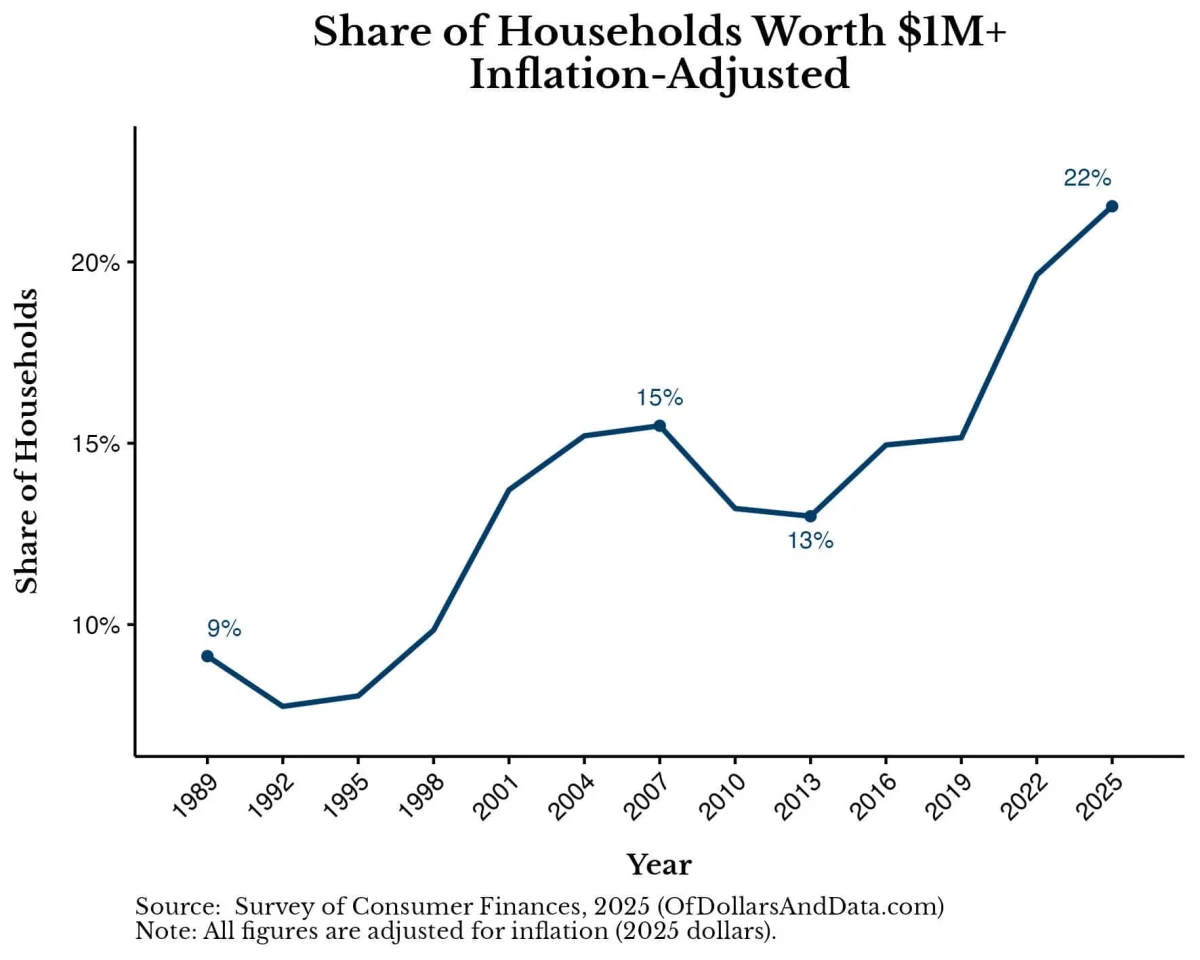
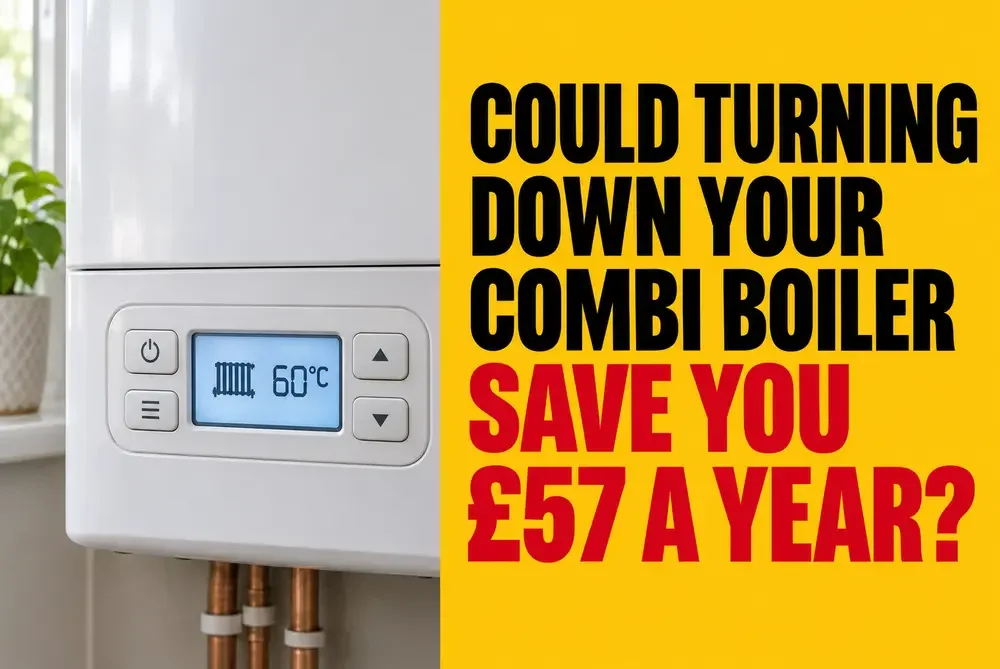
A 60°C radiator setting could save some UK combi households money, but the £57 estimate depends on your boiler, starting temperature and gas price.
Written by Al Baker | Founder & Editor, The Penny Pincher — last updated 3 November 2026
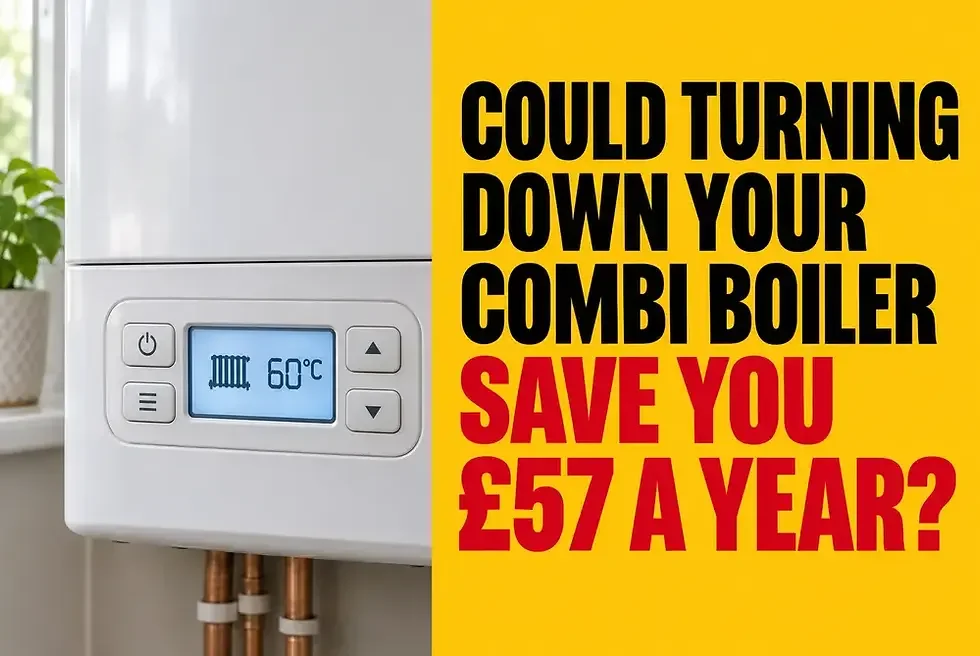
A lower radiator setting could trim gas use without changing the temperature you’ve chosen for your rooms. Nesta estimates that moving a suitable gas combi boiler’s central-heating flow temperature from 75°C to 60°C could save around £57 a year. That’s a useful estimate, not a promise: your actual saving depends on your home, heating habits and gas price. First check that your boiler and hot-water system are suitable.
What the radiator control changes
On a gas combi boiler, the radiator symbol usually controls the central-heating flow temperature: how hot the water is when it leaves the boiler and travels around the radiators. The wall thermostat measures room air temperature. A separate tap symbol controls domestic hot water.
Those controls affect different things. Lowering the radiator flow temperature doesn’t mean lowering the wall thermostat. It can, though, mean radiators feel cooler and rooms take longer to warm, especially when the heating first comes on. The potential efficiency benefit comes from cooler water returning to a condensing boiler, which lets it recover more heat from its exhaust gases.
The practical test is whether the rooms you use reach a comfortable temperature when you need them. A slower warm-up may work for one household’s routine and feel inconvenient in another.
Check your system before changing anything
Nesta’s free boiler walkthrough covers gas combis that heat tap water on demand and don’t have a separate hot-water cylinder. If your home has a cylinder, such as one in an airing cupboard, don’t use the combi instructions. A boiler serving a cylinder may also heat stored water, so its controls need to be set with that system in mind. Energy Saving Trust explains why cylinder systems need different settings.
If you can’t identify your system, check the boiler model or ask your installer before adjusting it. The same caution applies if your heating controls automatically change the flow temperature in response to outdoor conditions: ask your installer how those controls work before making a change.
Try a reversible adjustment
For a suitable combi, take a photo of the existing radiator setting first. Use the boiler manual or Nesta’s walkthrough to find the central-heating control, then lower it gradually towards 60°C if it’s currently higher. Leave the tap setting alone. Testing the change on a day when you can pay attention to how the rooms feel makes it easier to judge whether it suits your household.
If the living room is still chilly when you want to sit down, or the bathroom isn’t warm enough in the morning, raise the flow temperature again. Some people, including older adults, people with limited mobility and those with certain health conditions, may need a warmer home. The Met Office winter warmth guidance offers a starting point for households affected by cold.
What the £57 estimate assumes
Nesta estimates that around 7.5 million UK households could make the adjustment. Its evidence for the Money Saving Boiler Challenge draws on tests at the University of Salford’s Energy House. For a home reducing its flow temperature from 75°C to 60°C, the estimate is 720 kilowatt-hours less gas a year.
Nesta’s October 2026 calculation uses a gas price of 7.97p per kilowatt-hour, which puts the estimated saving at £57.38. At 6p per kilowatt-hour, the same 720 kWh reduction would be worth £43.20. The amount of gas saved can vary with the home, radiator size and heating schedule. If your boiler is already set to 60°C, the £57 estimate—which assumes a starting point of 75°C—doesn’t describe an extra saving available to you.
Why estimates for several changes don’t simply add up
Nesta also commissioned Cambridge Architectural Research to model a package of six household changes. The six-measure package puts the estimated annual total at £220, including the £57 flow-temperature estimate. That total is a model, not a forecast for every home. Individual changes can reduce some of the same gas, so adding their separate estimates together won’t reliably predict your bill.
One change in the package is turning off hot-water preheat on combis that have it. Preheat keeps a small amount of water hot between uses, helping hot water arrive sooner. Switching it off can mean waiting longer at the tap, while hot water remains available on demand. If preheat is already off, this change has no additional saving to offer.
Room temperatures also affect the estimates. For example, Nesta’s estimate for reducing a thermostat from 20°C to 19°C won’t apply in the same way if yours is already at 19°C. A thermostatic radiator valve can help adjust an individual room; a spare room that’s warmer than needed may be one place to make a small change. The numbers on the valve are settings, not precise temperature readings, so adjust gradually and see how the room feels. If bills are already forcing you to keep rooms colder than you’d like, free help is available if you’re struggling with bills.
The heating season in Nesta’s model runs from October to the end of March. But comfort should guide whether you use the heating on a cold day outside that period. A photo of your current setting is a simple first step: it gives you a record of where you started and makes it easier to reverse an adjustment if the house doesn’t stay warm enough.
Common questions
Will changing the radiator setting make my shower colder?
On a combi with separate controls, changing the central-heating flow temperature leaves the tap and shower setting alone. Check the manual if the symbols or menus aren’t clear.
What if my combi is already set to 60°C?
The £57 estimate is based on reducing the setting from 75°C to 60°C. It doesn’t imply that a boiler already at 60°C can achieve that same saving through this adjustment.
What if my home feels too cold?
Raise the radiator flow temperature if the rooms you use aren’t comfortable when you need them. Your photo of the original setting gives you a reference point.
Can I use this setting with a hot-water cylinder?
Don’t follow the combi walkthrough for a system with a separate cylinder. The boiler may also heat stored water, so check the instructions for your system or ask a heating engineer.